

Home
Oncode Accelerator Annual Event: Gaining Momentum
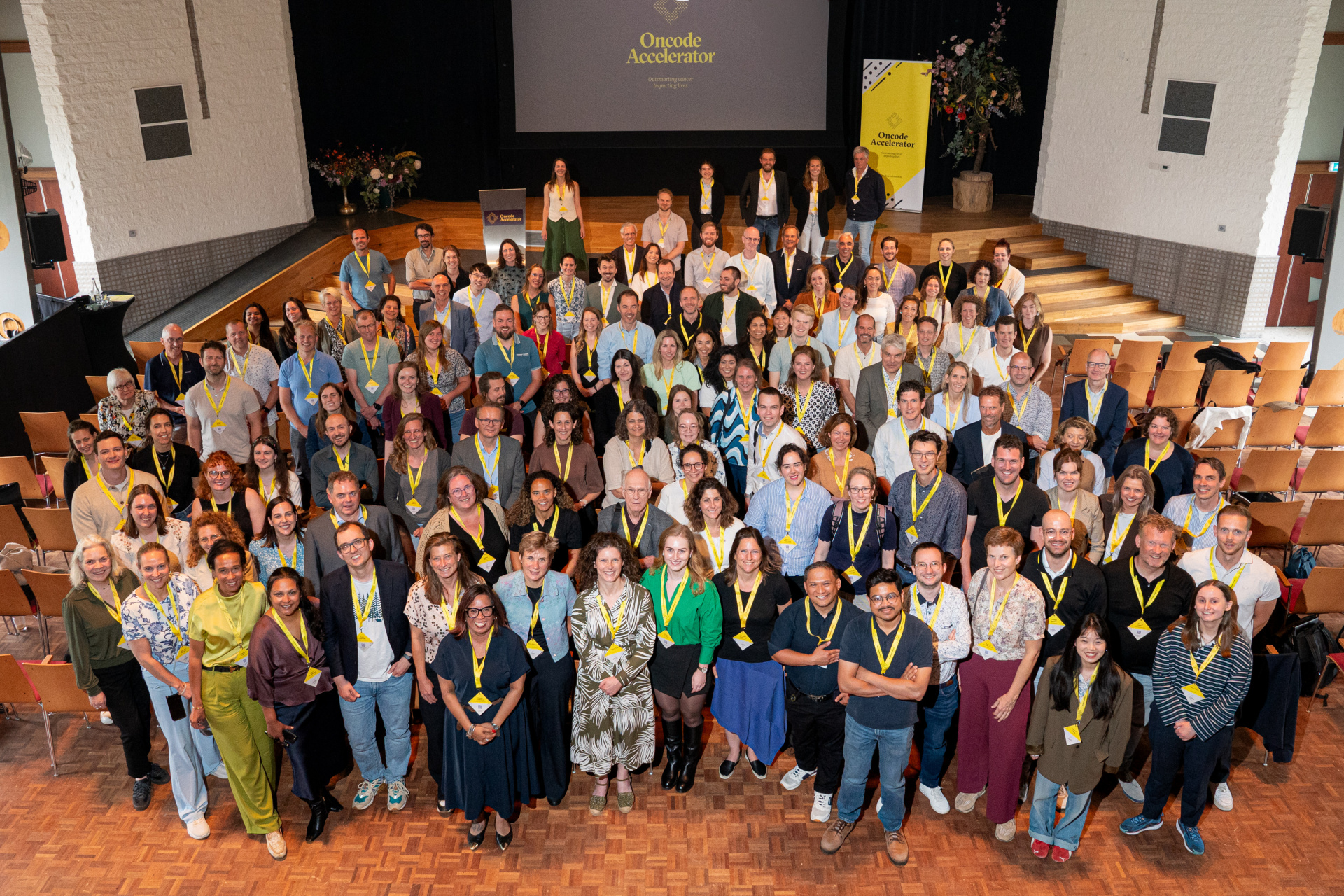
On June 16 and 17, the Oncode Accelerator community convened in Driebergen-Rijsenburg for its third Annual Event: two days of knowledge sharing, scientific highlights, and constructive discussions across the program's 35+ partners, with the theme: Gaining Momentum. New and returning program members came together to continue building the community behind the Oncode Accelerator oncology ecosystem, understand its current state, and discuss its future.
Day 1: Science in the Spotlight
The first day opened with a welcome from Oncode Accelerator Foundation COO Friso Smit and incoming CEO Bertholt Leeftink, before moving into a packed program of workstream and platform updates. Representatives from the Organoids, Patient Cohorts, and Artificial Intelligence Platform, as well as the Therapeutic Vaccines Workstream, shared their latest developments in infrastructure, capabilities, and collaborative opportunities, giving the community a clear picture of where the program stands and where it is headed. The updates included the joining of new partners such as Hartwig Medical Foundation, progress in establishing a searchable online catalogue of biobanked organoids, development of AI models for mode-of-action prediction, and the launch of lead-finding facilities for the development of new therapeutic cancer vaccines.
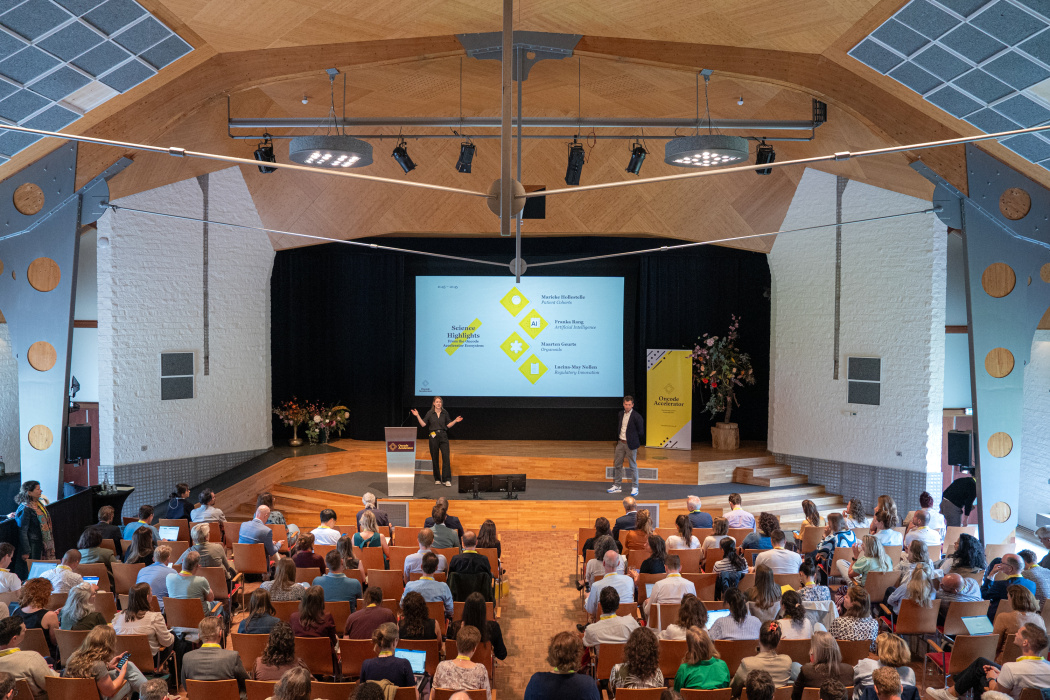
The Science Highlights session brought some of the most exciting findings from across the ecosystem to the stage, with presentations from Patient Cohorts, Artificial Intelligence, Organoids, and Regulatory Innovation covering topics ranging from ethical considerations in early phase oncology research all the way to leveraging organoids in the aim to develop a next-generation CRISPR-based cure for pediatric cancer. These were complemented by a lively Young Investigator Pitches session, in which early-career researchers presented their work, underlining that the next generation of innovators in oncology is being trained within Oncode Accelerator.
The afternoon featured three presentations on Demonstrator Projects: preclinical discovery and development projects co-funded by Oncode Accelerator. Scientists from the program presented concrete progress on a therapeutic vaccine for pediatric sarcomas, the role of medicinal chemistry in small molecule drug discovery, and the first steps of preclinical development of a novel neutrophil engager for neuroblastoma.
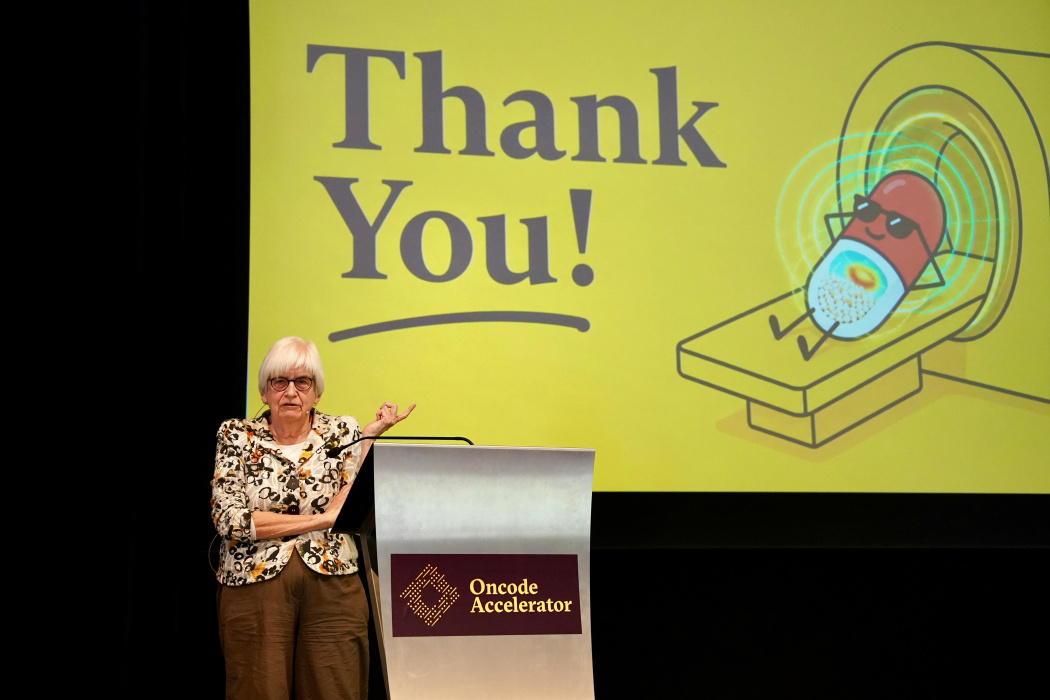
Participants then enthusiastically participated in parallel breakout sessions on topics including regulatory innovation, immune monitoring, and the development of prototype technologies within the program. These were followed by a keynote by Professor Liesbeth de Vries (UMC Groningen) on imaging-informed drug development, which offered an inspiring and broad-reaching perspective on how “seeing the drug in action” can fundamentally change how we develop new cancer therapies.
Finally, Professor René Medema, a member of the Oncode Accelerator Steering Committee and CSO of the Princess Máxima Center, closed the day with reflections on the Oncode Accelerator program’s progress and achievements to date. “I challenge you to think out of the box,” he said. “There is a tendency to create consortia with a lot of rules, but rules should not hamper progress.”
Day 2: Community, Collaboration, and the Road Ahead
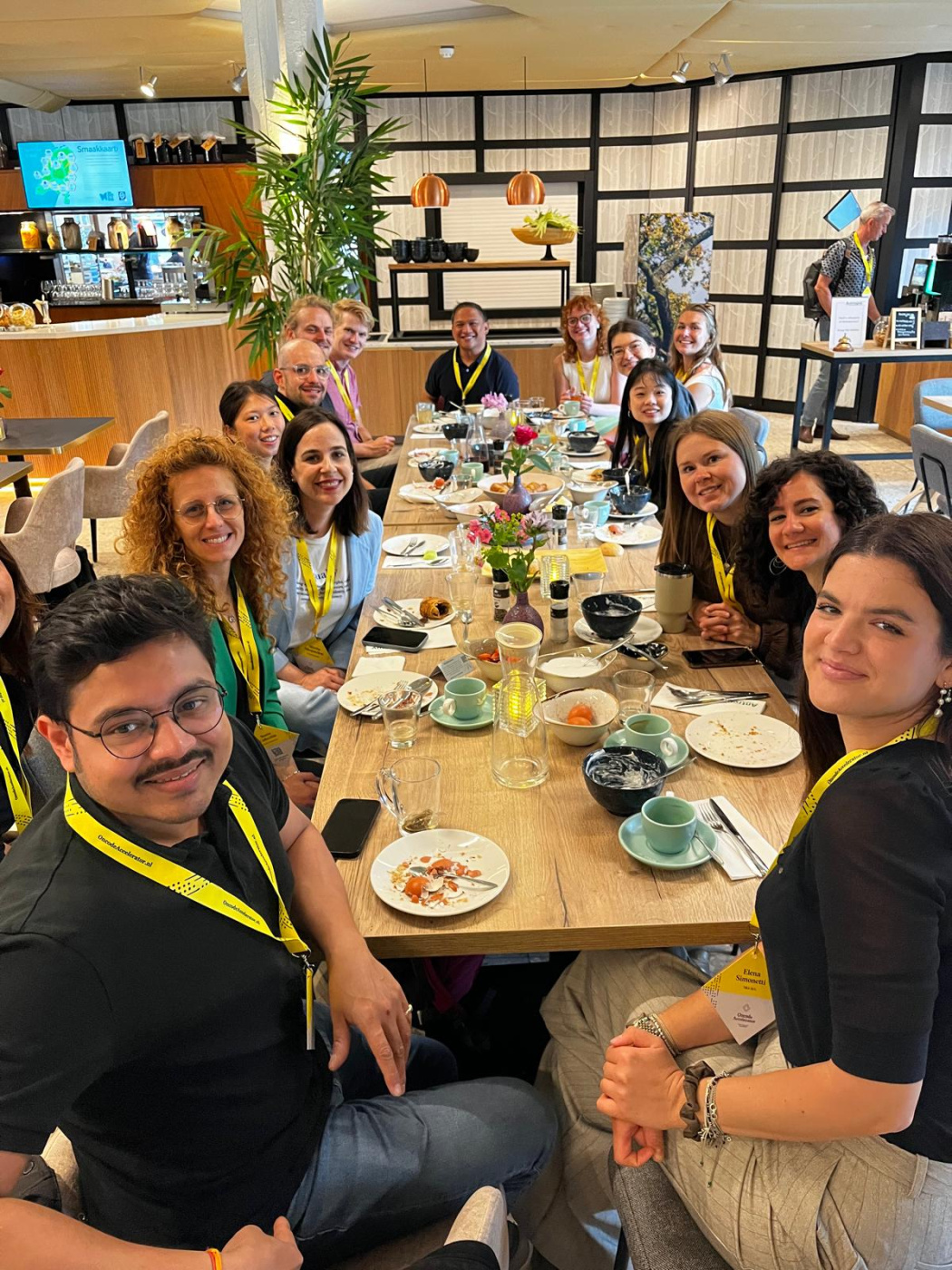
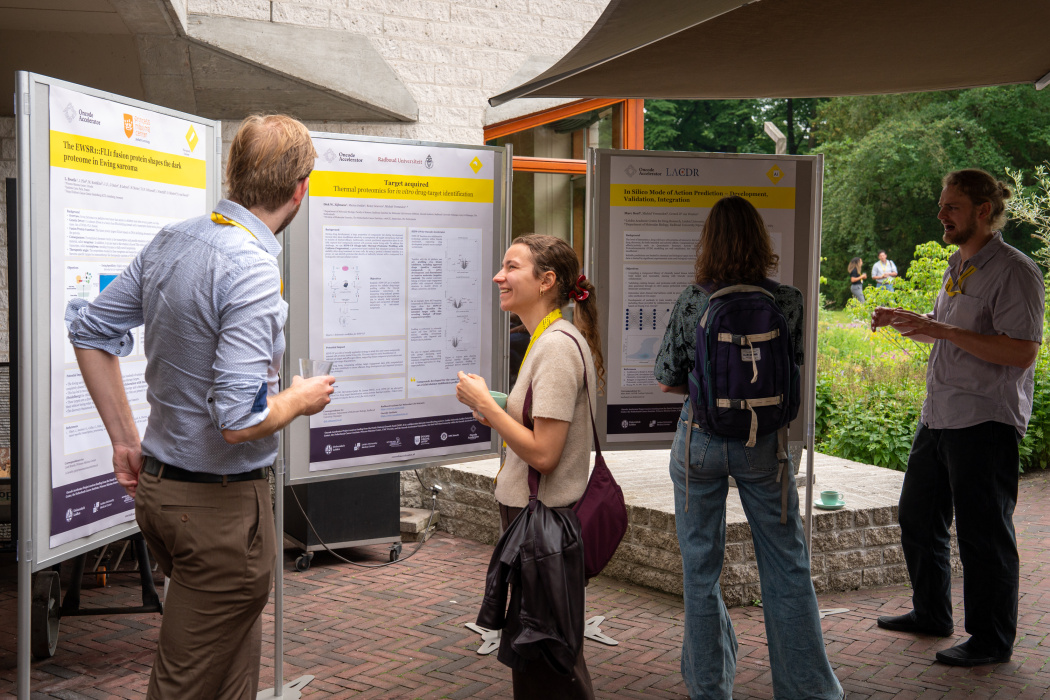
Day 2 started early for Oncode Accelerator’s young investigators, who gathered for an energetic breakfast session before the main program got underway. The meeting then continued with updates from the Biologics, Small Molecules, Cell & Gene Therapy, and Regulatory Innovation Workstreams, followed by another round of Science Highlights presentations, which highlighted ongoing work including the development of methodologies for microdosing to assess multiple molecules simultaneously, and for automated parallel synthesis of small molecules. As on day 1, these were followed by Young Investigator Pitches, and over lunch the young investigators’ corresponding posters stimulated scientific discussion between the participants.
After lunch, a panel featuring Jos Joore (Mimetas), Puck Roos (CBG/MEB), and Jeffrey Beekman (UMC Utrecht, Regenerative Medicine Center Utrecht) explored the ‘Possibilities and Limitations of Organoid Models’ across the Oncode Accelerator Program and beyond. The panelists agreed that Oncode Accelerator can play a key role in increasing regulatory acceptance for the use of organoid technology in drug development by demonstrating its utility in niche use cases where suitable alternative models are currently lacking.
Next, Alexander Turkin of Oncode Institute, Oncode Accelerator’s sister organization, offered an informative perspective for those looking to translate their work beyond the lab, in a presentation on entrepreneurship and lessons learnt in research valorization. Key advice included “raise the milestones, not the money,” “investors don’t fund effort, they fund reduction of uncertainty,” and “normalize talking about the psychological toll of entrepreneurism.” Alexander also stressed, “Perfection is brilliant in science, but in entrepreneurship you’ll have to move forward without complete understanding – at the point when you know enough to take the next step.”
The closing keynote by Janine Schuurman, independent biotech consultant and former Genmab leader, on navigating science toward therapeutic value was a fitting end to the two days focused on translational science and collaboration. Schuurman called on the participants to remember that when building a company around a therapeutic, “the drug is the main character – and it takes a village to raise a main character.”
Gaining Momentum Towards Scientific, Economic, and Societal Impact
To have impact, it is necessary to first build the necessary groundwork – not only in terms of infrastructure, technology development, and running experiments, but also in creating connections across complementary areas of expertise. In this regard, Oncode Accelerator’s work as a program is by no means finished.
Nonetheless, the Annual Event showed that, step-by-step, progress is being made. It became clear that the program is indeed gaining momentum within Demonstrator Projects, in development of new technological prototypes that could accelerate or de-risk the development of cancer therapies, in commercializing promising scientific ideas, and in building strong connections across the program.
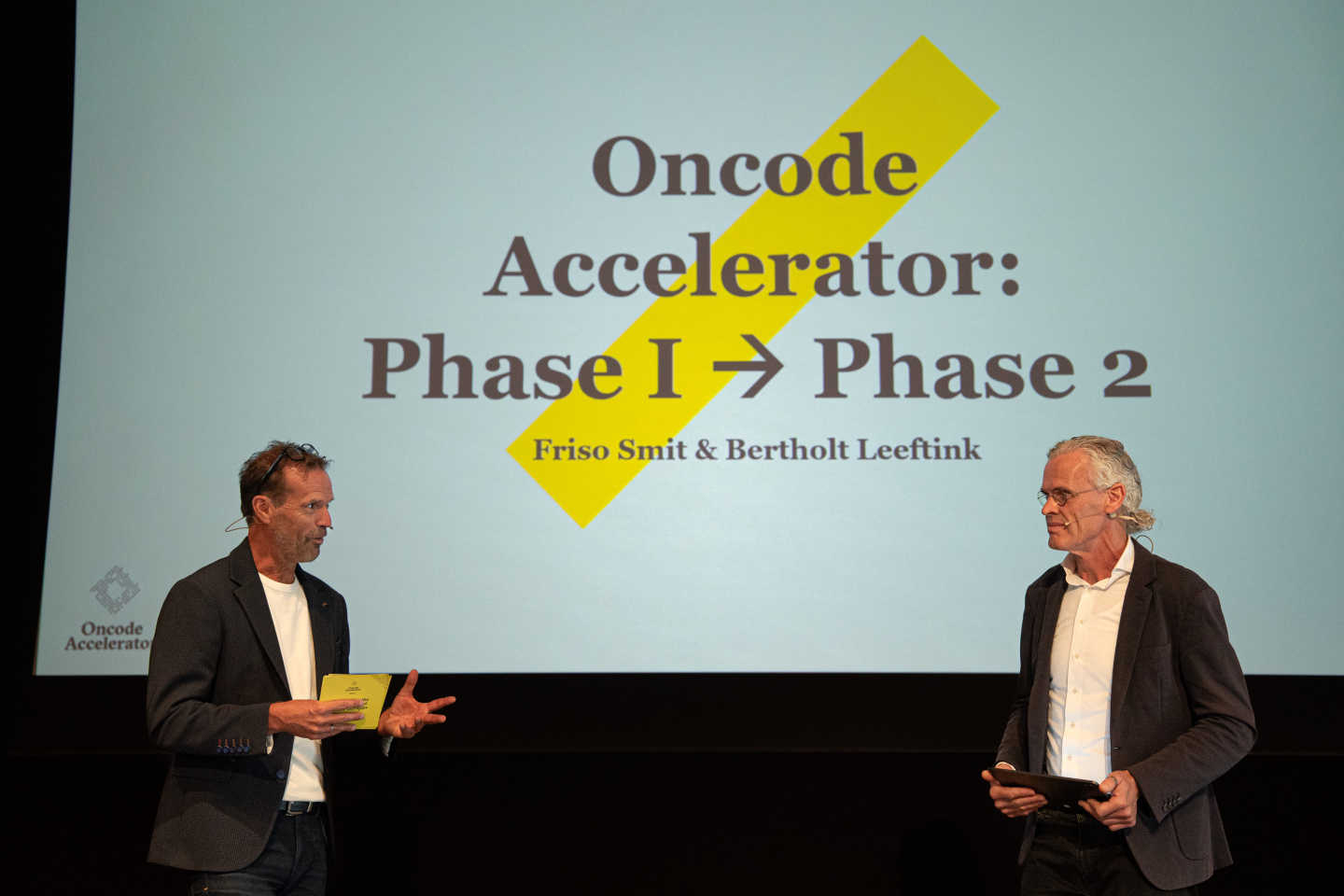
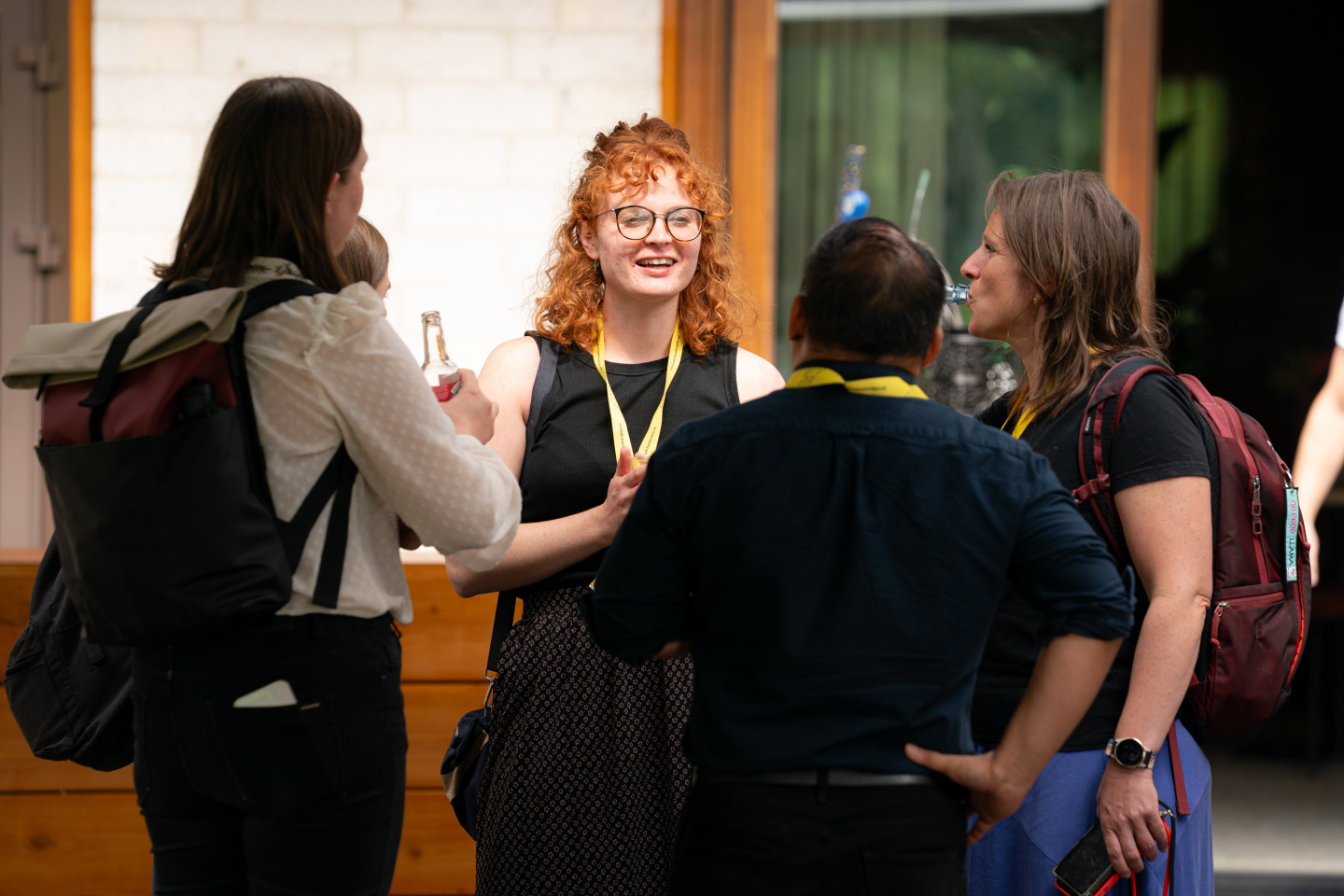
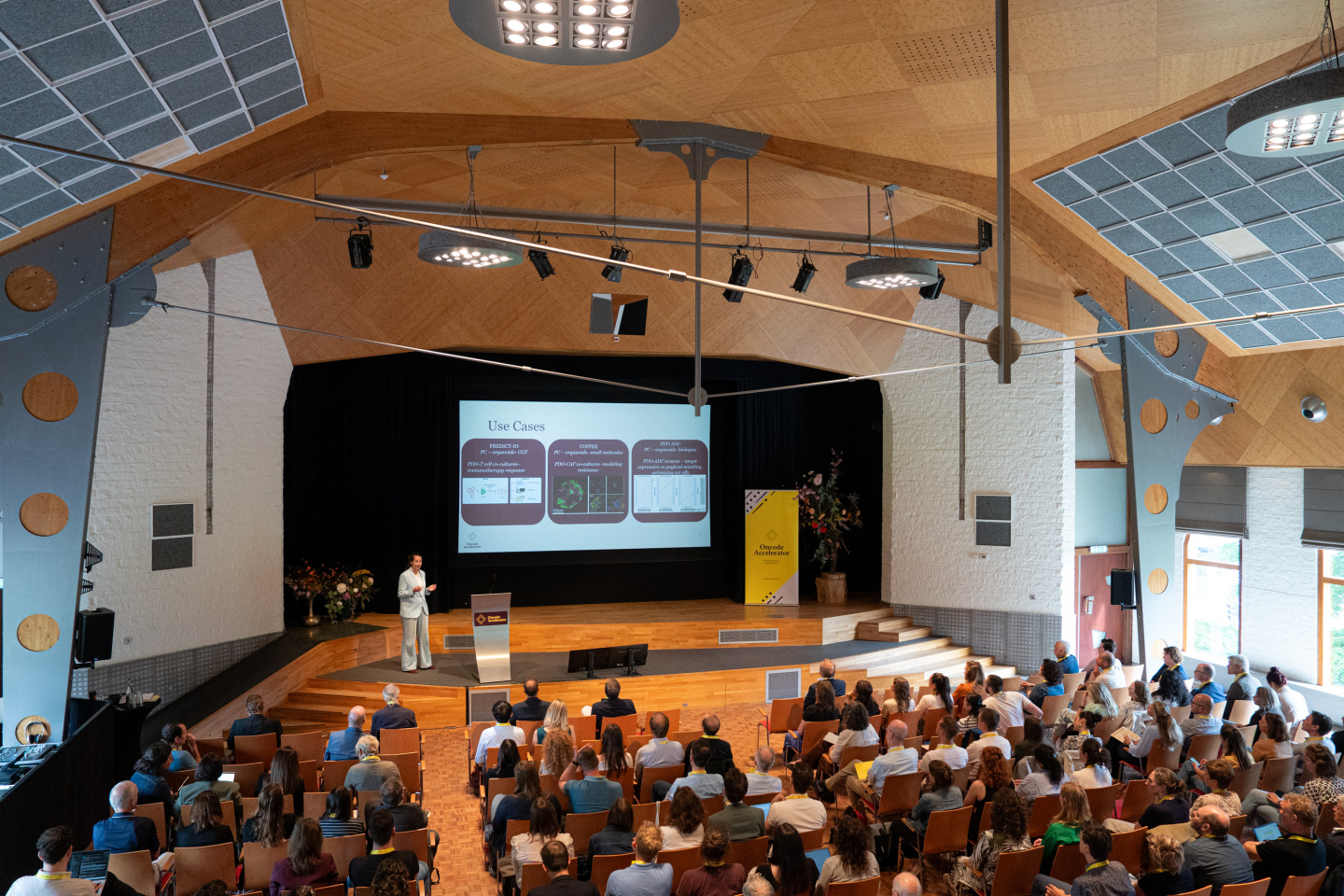
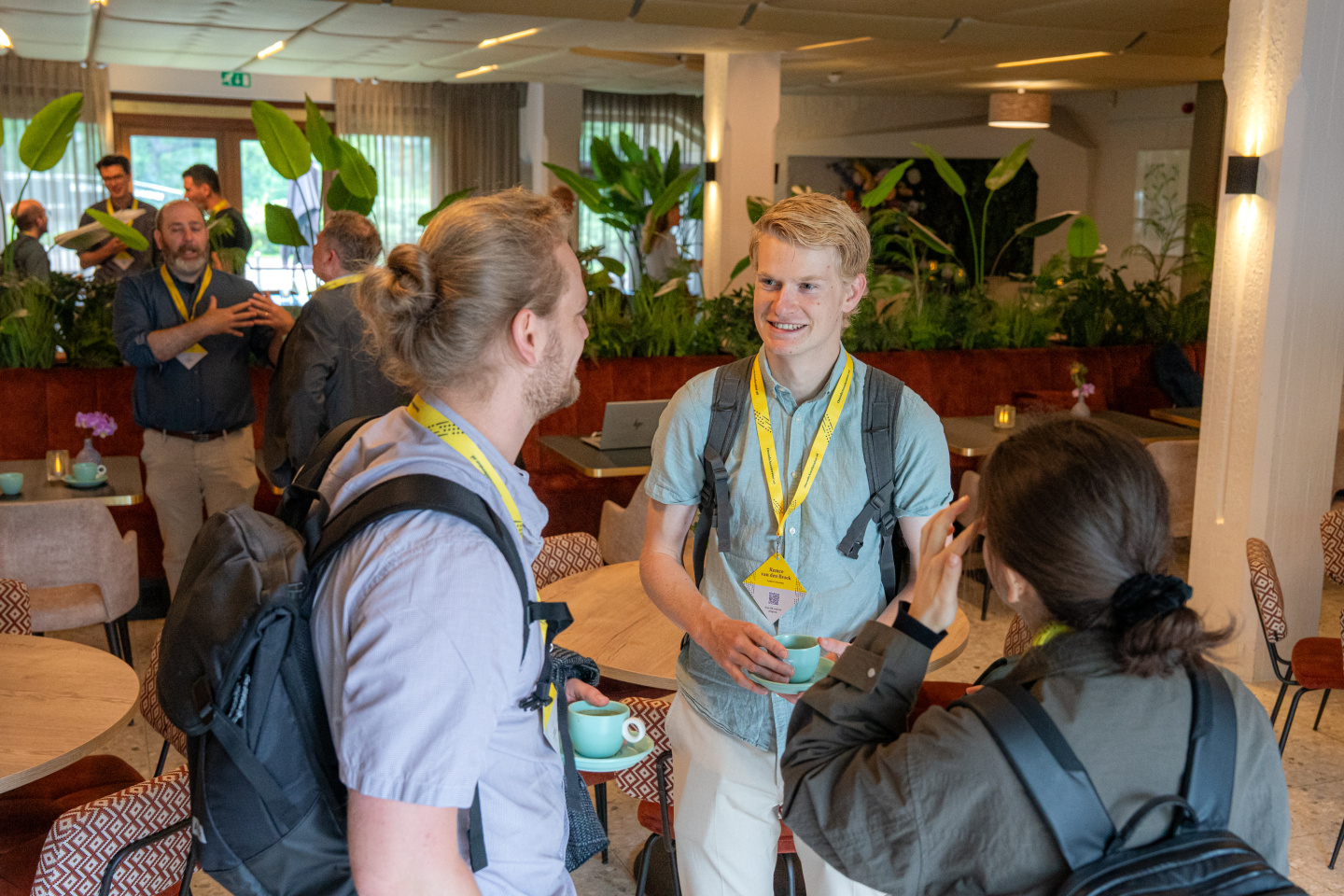
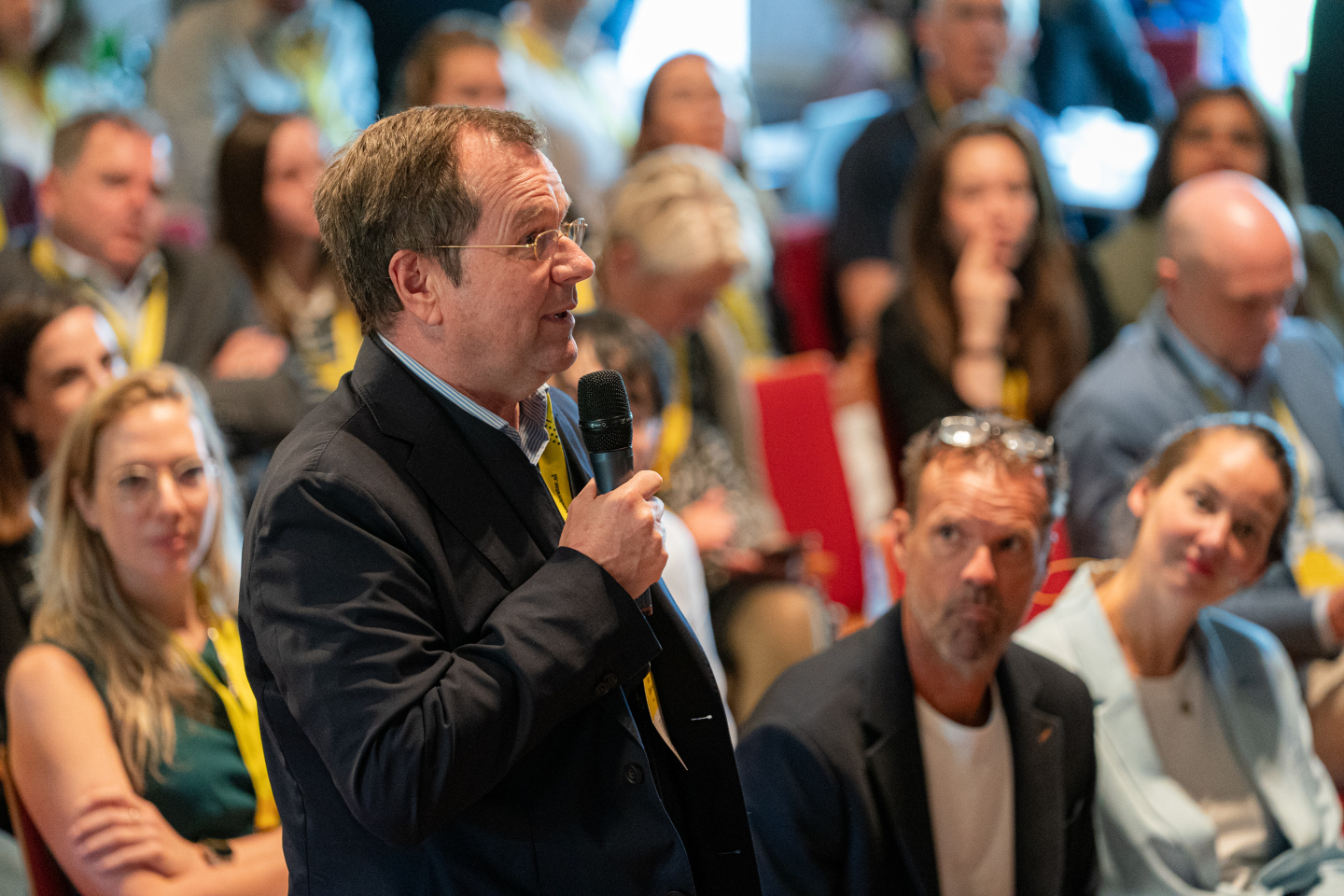
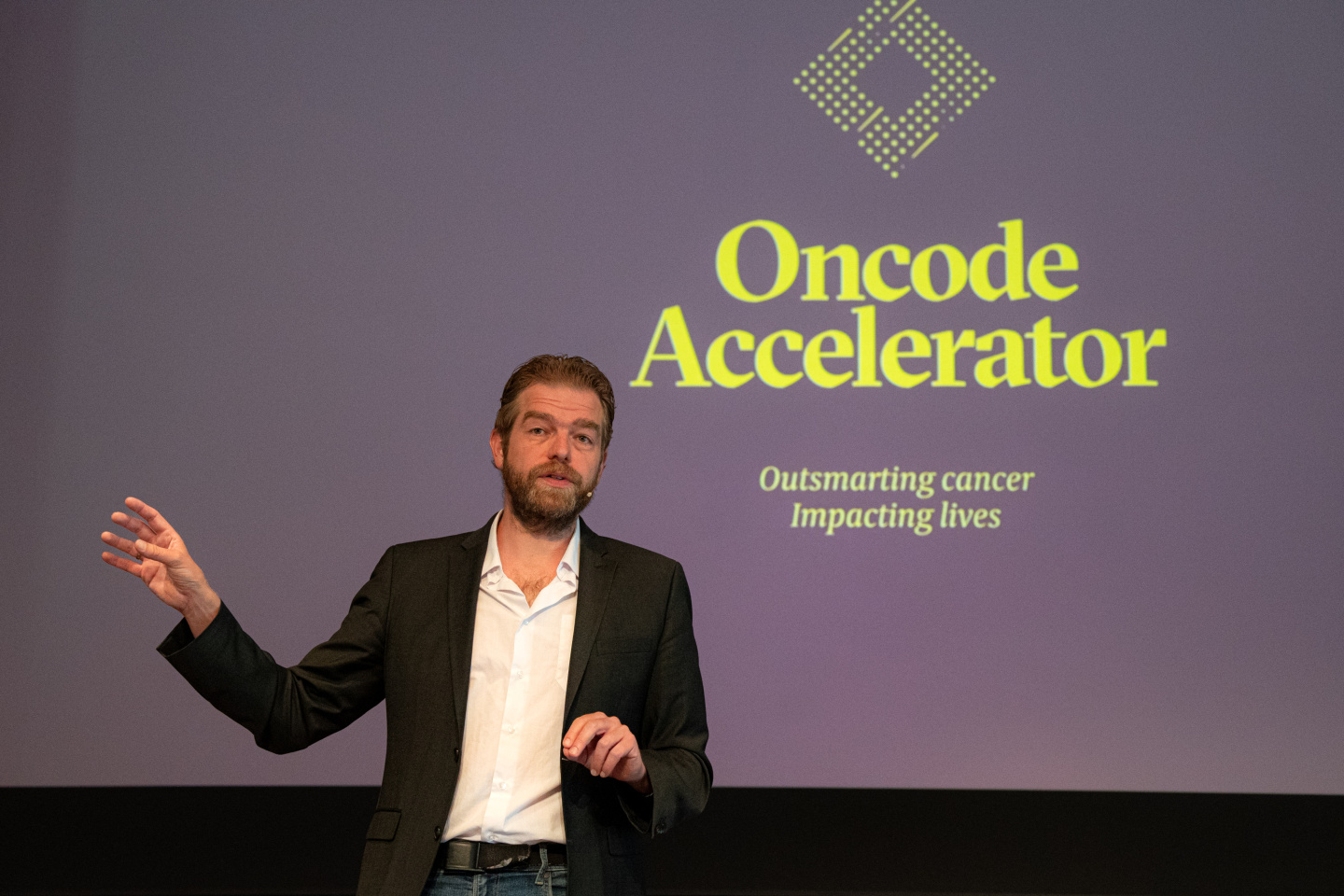
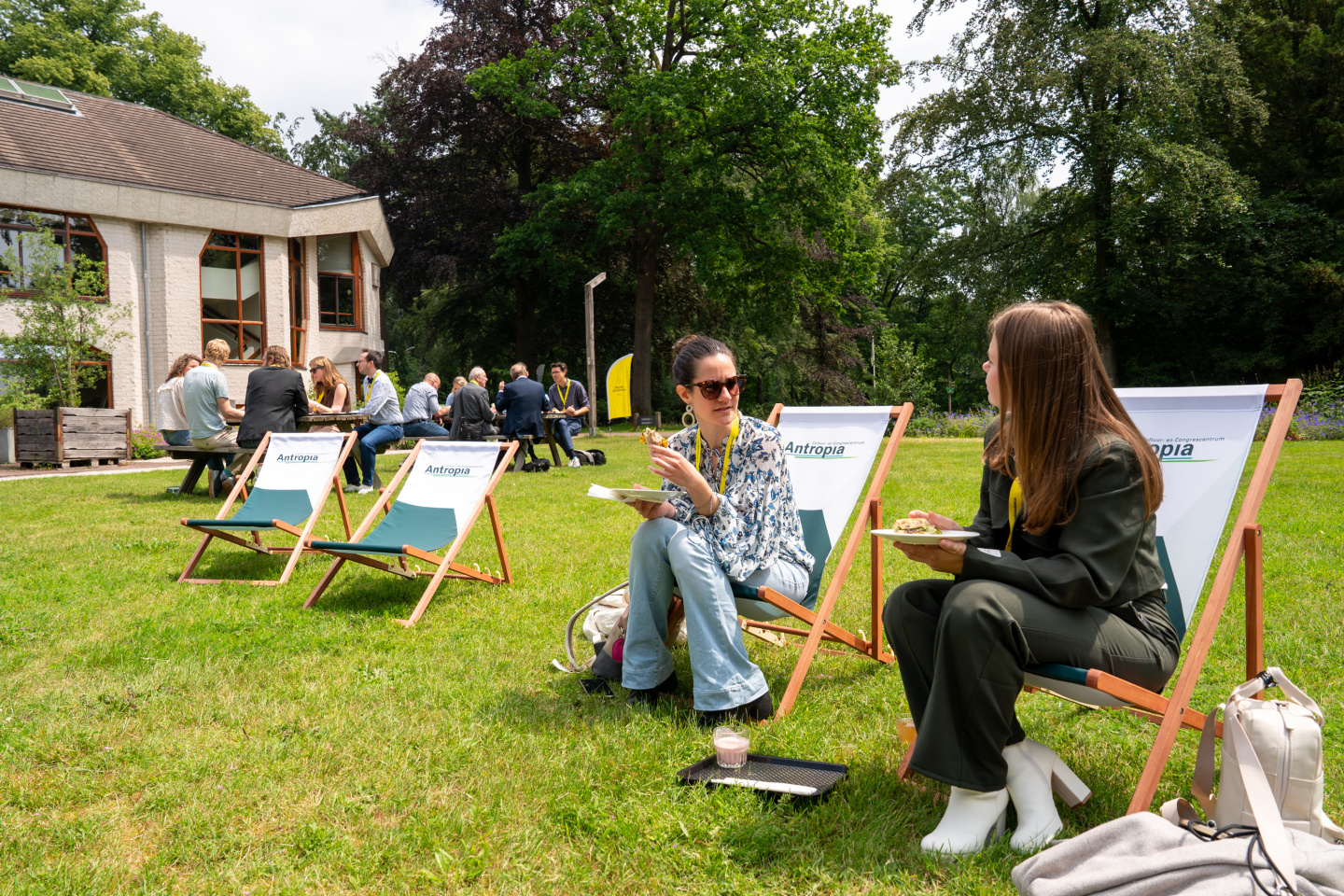
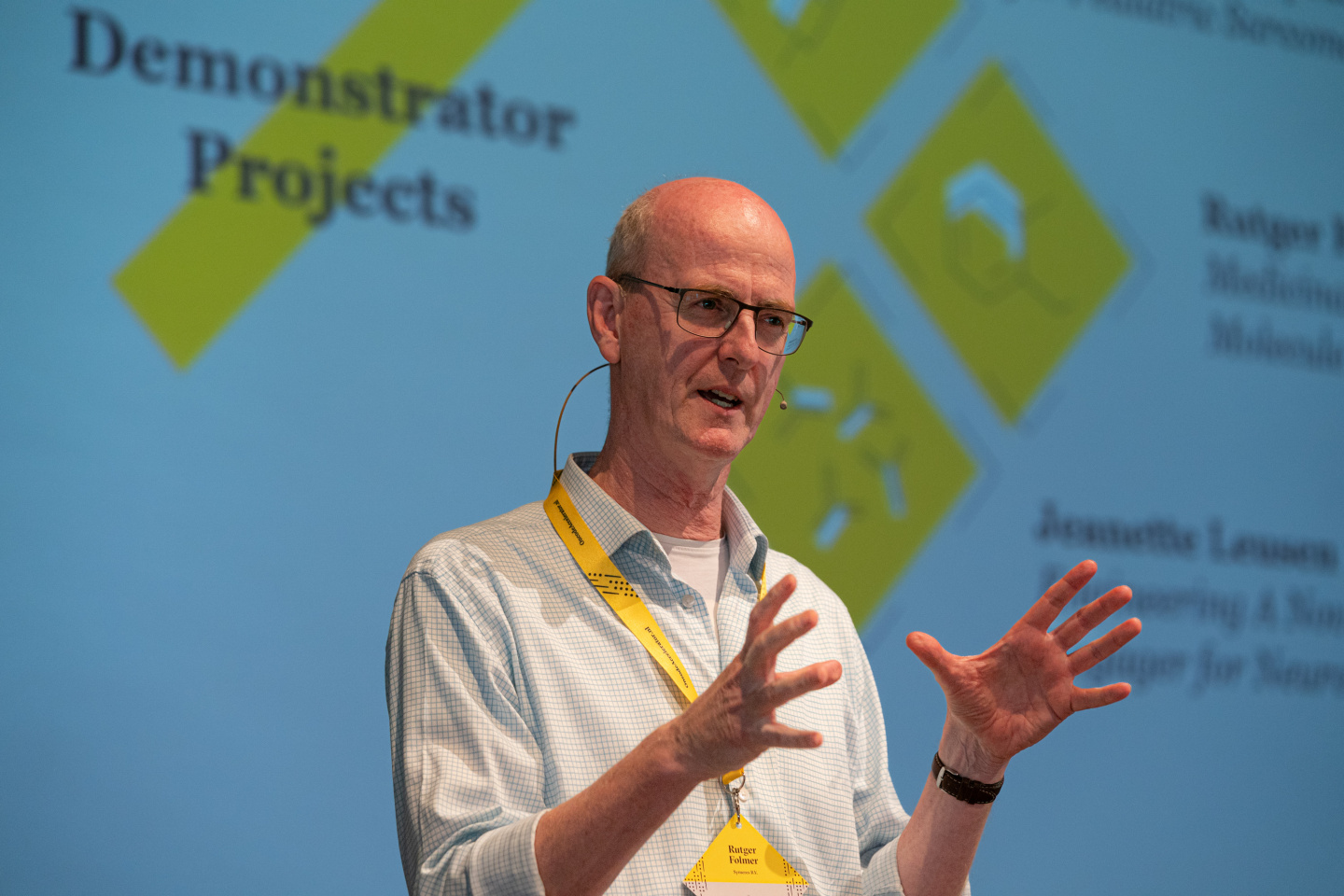
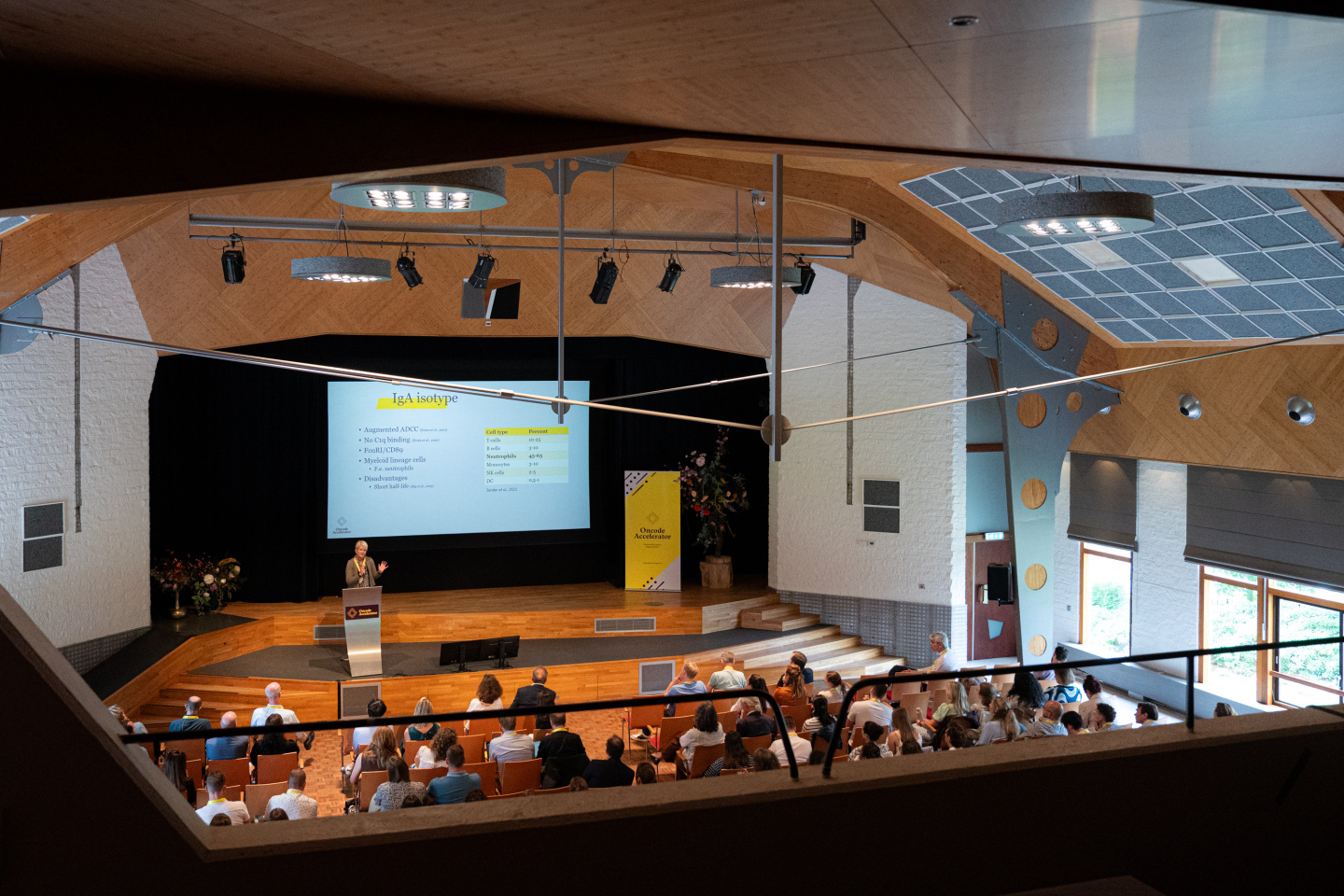
Photo Credit: Thijs Rooimans