News
Building Bridges to Accelerate the Development of New Cancer Therapies: Reflecting on the Second Oncode Accelerator Annual Event
On May 20th and 21st 2025, the Oncode Accelerator Annual Event brought together over 150 scientists, clinicians, and industry partners from across our Program for two energetic days of knowledge‑sharing and community‑building.

While our first Annual Event, in 2024, was focused on sharing the plans from each of our Workstreams and Platforms, this year we focused on highlighting scientific progress made possible due to strategic infrastructure investments in the first phase of the program, providing a stage for young investigators to share their impactful scientific work, and enabling the building of strong and lasting connections across Oncode Accelerator and beyond.
Across plenary sessions, panels, interactive break‑out sessions, networking opportunities, and inspiring keynote presentations, participants took stock of our Program’s milestones after one year in action, and continued the discussion about how we can collaboratively accelerate oncology innovation over the coming decade from our base in the Netherlands.
Day 1: Showcasing Early Impact and Building for Growth
The first day of the Event was kicked off with a welcome and overview of the Program, including recognition for the ‘unsung heroes’ that have made our progress possible. Thereafter, the morning focused on scientific highlights and achievements from the four Workstreams: Therapeutic Vaccines, Cell and Gene Therapy, Biologics, and Small Molecules.
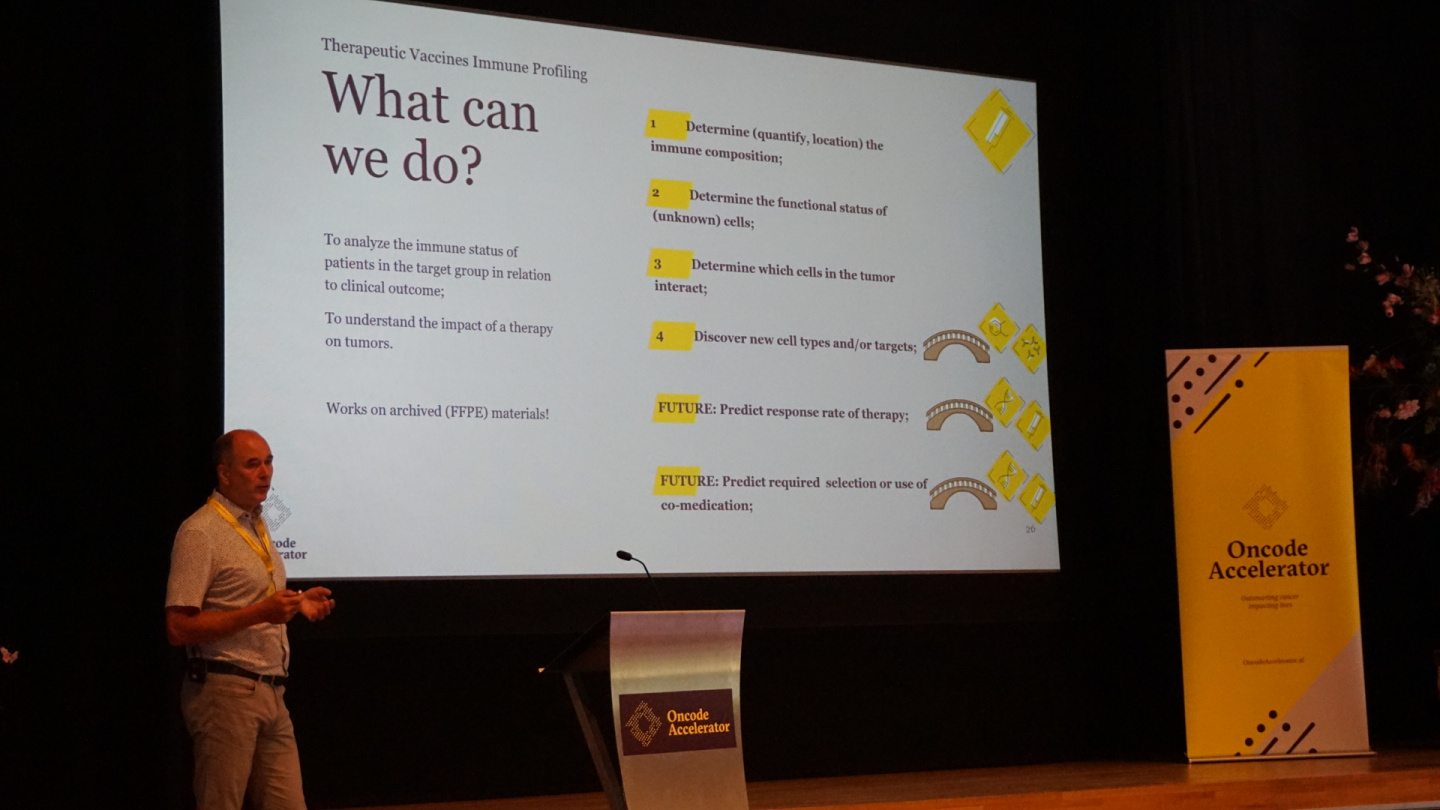
Prof. Sjoerd van der Burg reported back on how the Therapeutic Vaccines Workstream is using state-of-the-art methods such as single cell spatial transcriptomics to develop cutting-edge therapies, highlighting a recent publication in which his team used CosMx Spatial Molecular Imaging data to investigate whether specific hallmarks of the cells in the tumor micro-environment (TME) could be associated with patients’ responses to a therapeutic cancer vaccine against vulvar high-grade squamous intraepithelial lesions.
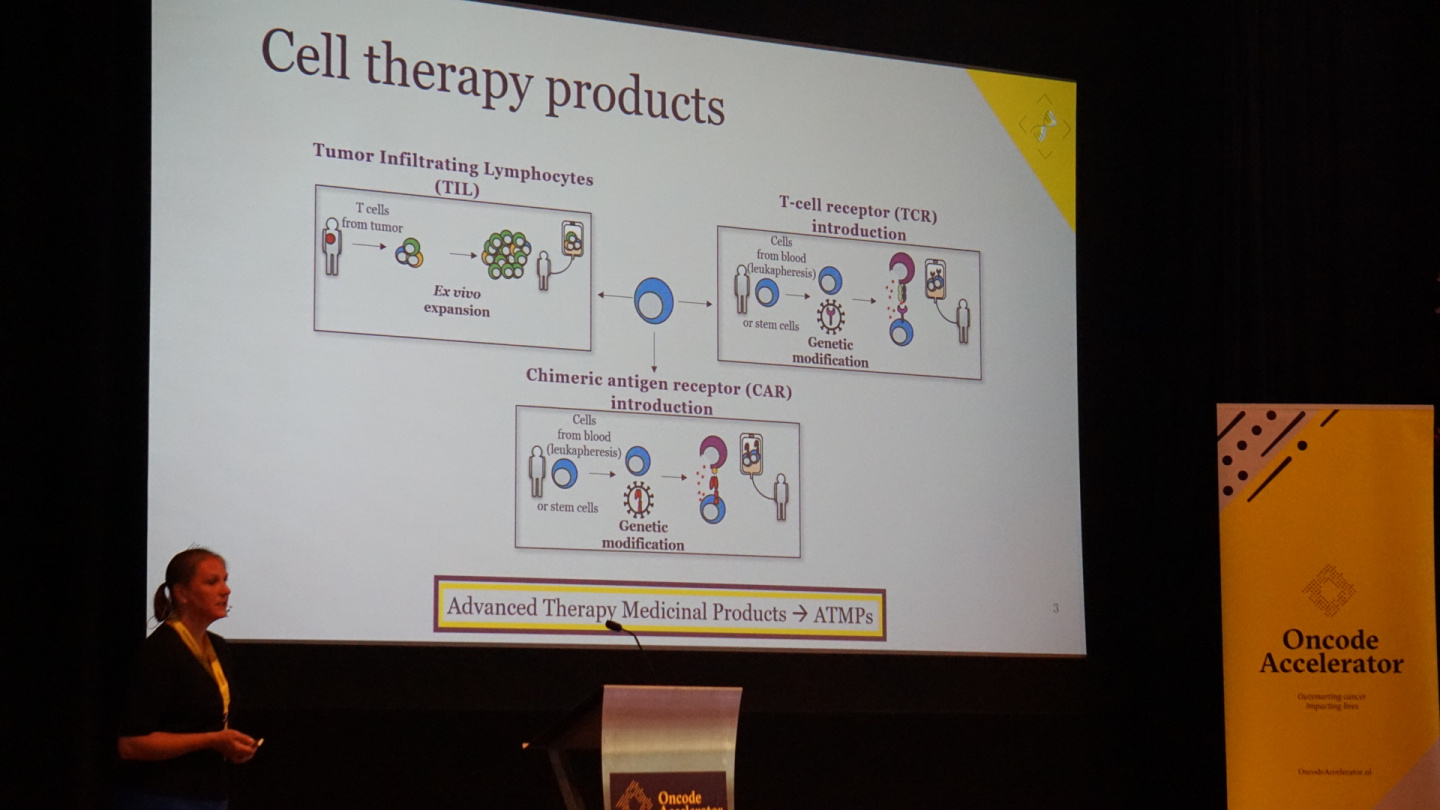
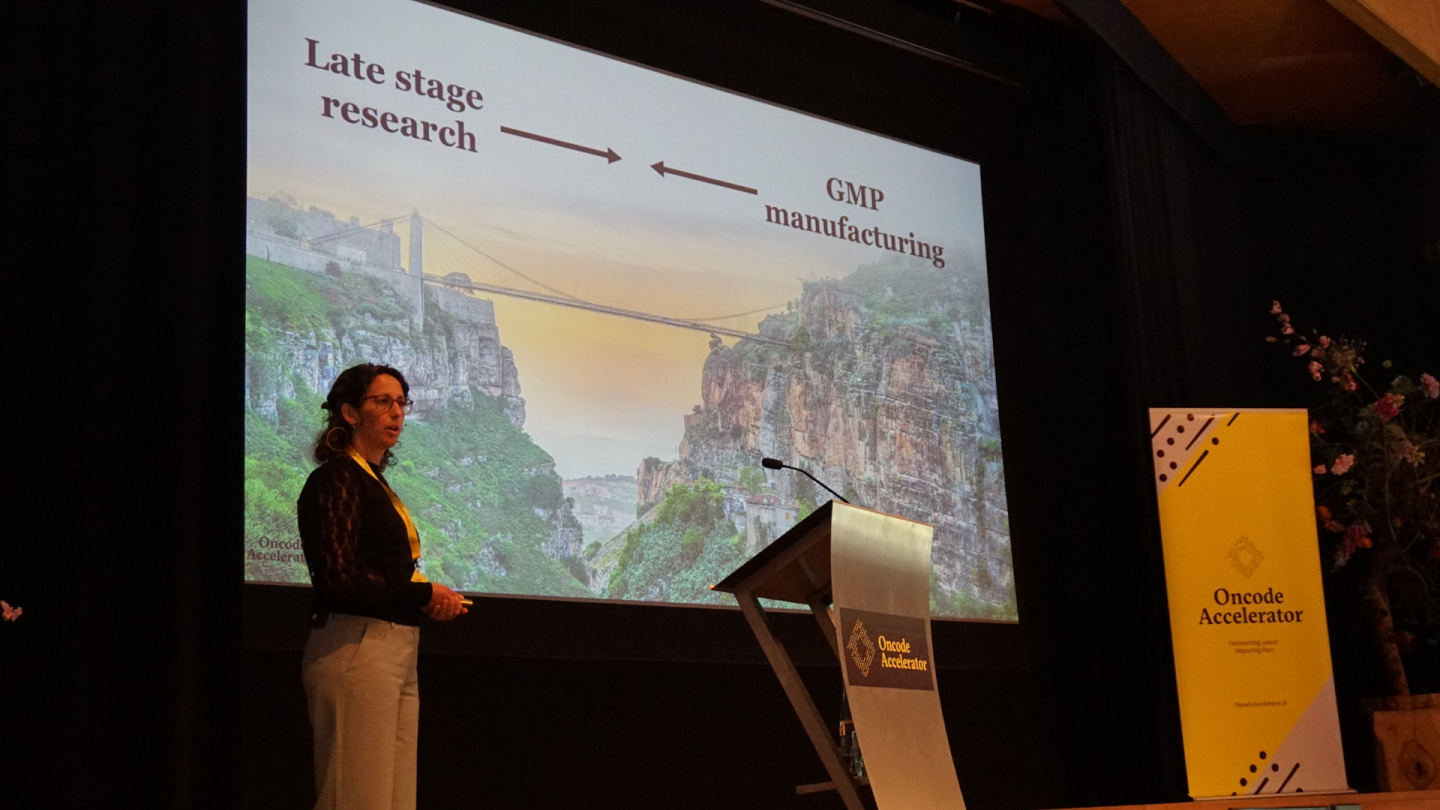
Next, we heard from Inge Jedema about how the Cell & Gene Therapy Workstream is accelerating the development of Advanced Therapy Medicinal Products (ATMPs) by bridging innovation & translation. She emphasized that in ATMP development, the process becomes the product, and is essential in ensuring that patient-specific, personalized therapies are controlled and efficacious. She also stressed the importance of developing plug-and-play production processes so that researchers who want to further develop a specific cell type or target do not have to start from scratch – ultimately accelerating development.
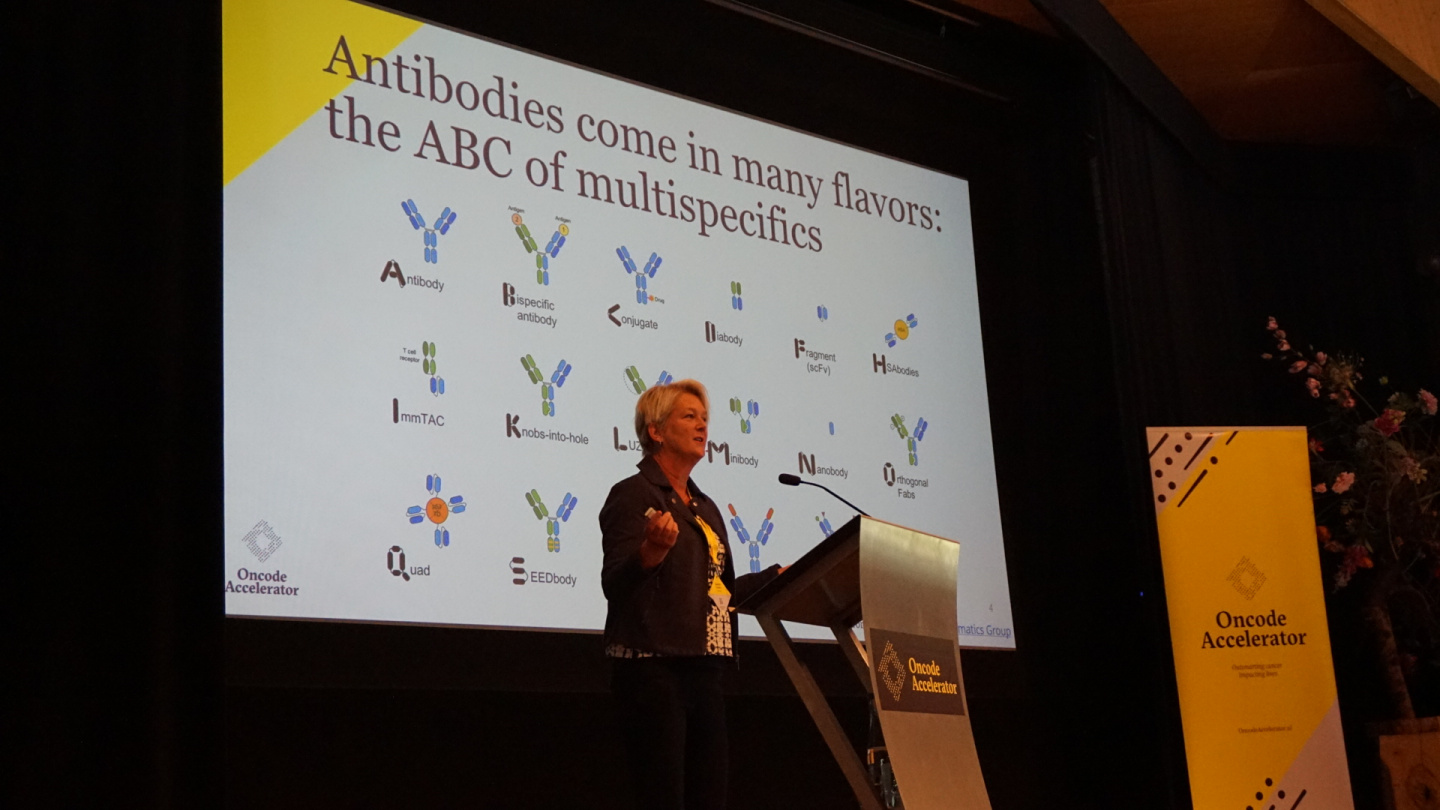
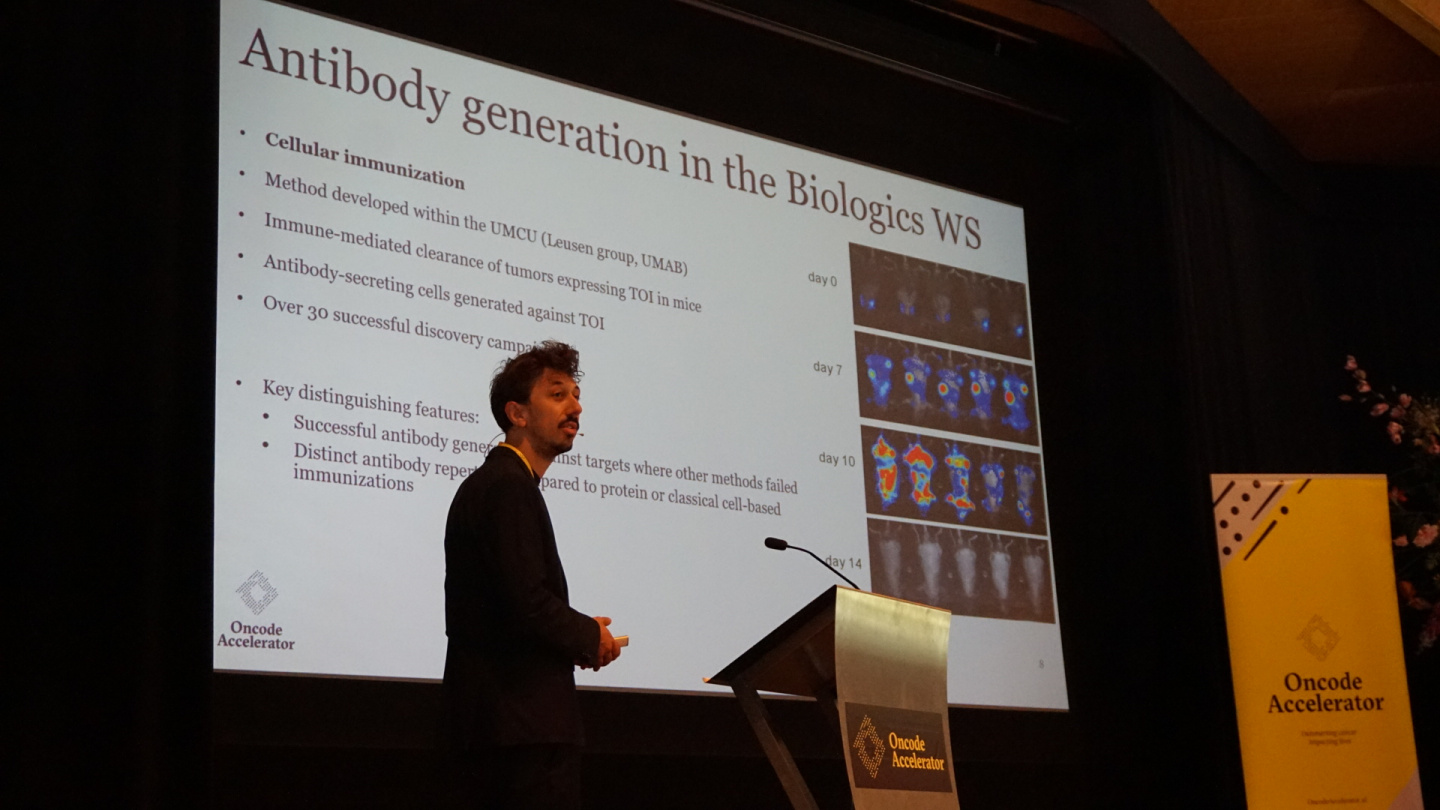
Next, Jeanette Leusen, Debby Vermeer-Kruijsen, and Mitchell Evers of the Biologics Workstream reported back on progress in collaborations around leveraging spatial biology techniques to engage specific immune cells in the tumor micro-environment, implementation of next-generation single-cell antibody-secreting cell characterization methodologies, and incorporating artificial intelligence-based selection of novel antibody candidates for functionality and developability.
Finally, Michiel Vermeulen of the Small Molecules Workstream discussed innovations from his lab that have advanced the use of thermal proteome profiling (TPP) for high-throughput screening and drug target identification. His presentation illustrated how TPP can be used to understand off-target effects and identify why a specific molecule displays anticancer effects – providing researchers with valuable molecular insights.
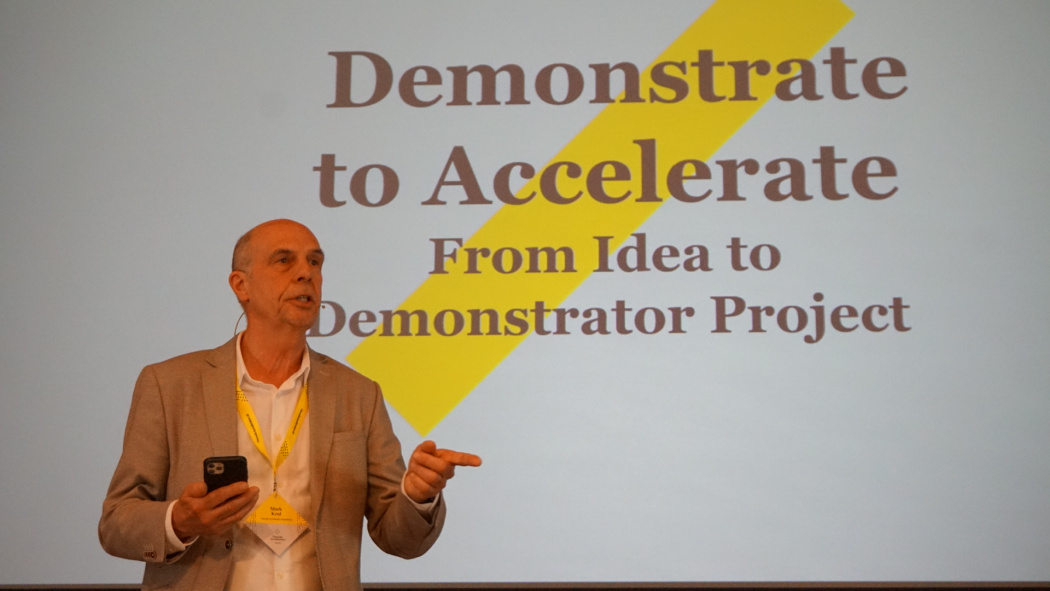
After hearing from the Workstreams, Mark Krul shared insights into key factors necessary to successful funding of a Demonstrator Project by Oncode Accelerator, emphasizing the importance of always considering the project’s impact for patients and starting with the end goal of the project clearly in mind. All the attendees of the event then split into mixed teams to workshop Demonstrator Project ideas. After enthusiastic discussions, the teams reported back in a plenary session with a series of pitches. We look forward to further nurturing these bright ideas, and perhaps seeing unexpected outcomes from the bridges built during this session.
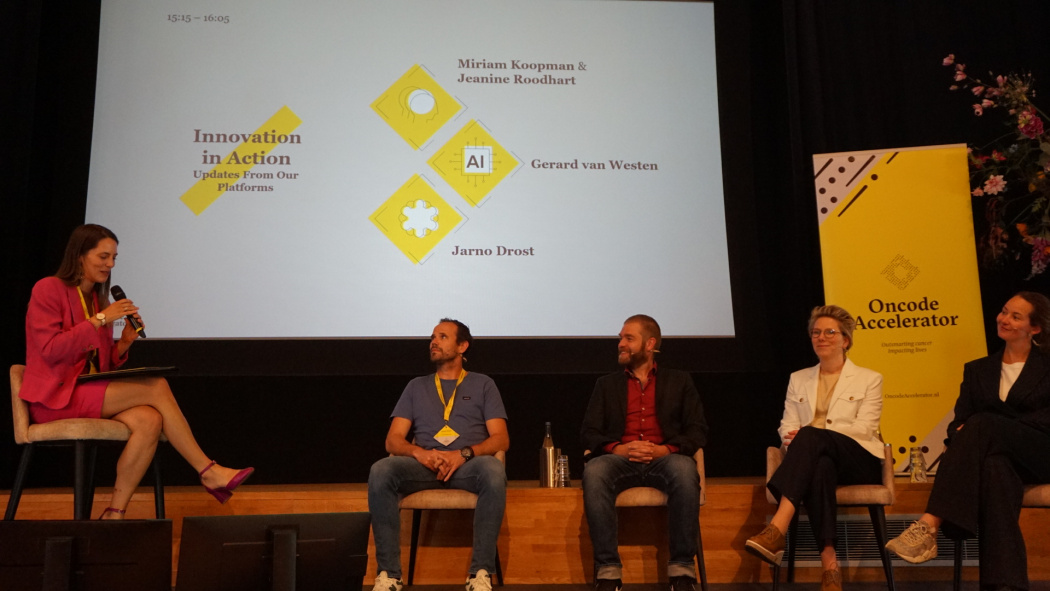
In the afternoon, a panel session featuring representatives from each of the innovation Platforms showcased how cross-platform collaboration can support and accelerate development of new cancer therapies across the Workstreams. Gerard van Westen (AI Platform lead) spoke to the necessity of accessing large, unbiased datasets for effective use of AI. Jarno Drost (Organoids Platform lead) shared the progress made towards building large pediatric and adult organoid and tumoroid biobanks, and the integration between these biobanks and the Patient Cohorts Platform. From the Patient Cohorts Platform, Miriam Koopman introduced Jeanine Roodhart as her successor as lead of the Platform, and Jeanine shared how she is already working with researchers from the AI and Organoids Platform and the Small Molecules Workstream to accelerate preclinical discovery and development of novel cancer therapies.
In the afternoon, a panel session featuring representatives from each of the innovation Platforms showcased how cross-platform collaboration can support and accelerate development of new cancer therapies across the Workstreams. Gerard van Westen (AI Platform lead) spoke to the necessity of accessing large, unbiased datasets for effective use of AI. Jarno Drost (Organoids Platform lead) shared the progress made towards building large pediatric and adult organoid and tumoroid biobanks, and the integration between these biobanks and the Patient Cohorts Platform. From the Patient Cohorts Platform, Miriam Koopman introduced Jeanine Roodhart as her successor as lead of the Platform, and Jeanine shared how she is already working with researchers from the AI and Organoids Platform and the Small Molecules Workstream to accelerate preclinical discovery and development of novel cancer therapies.
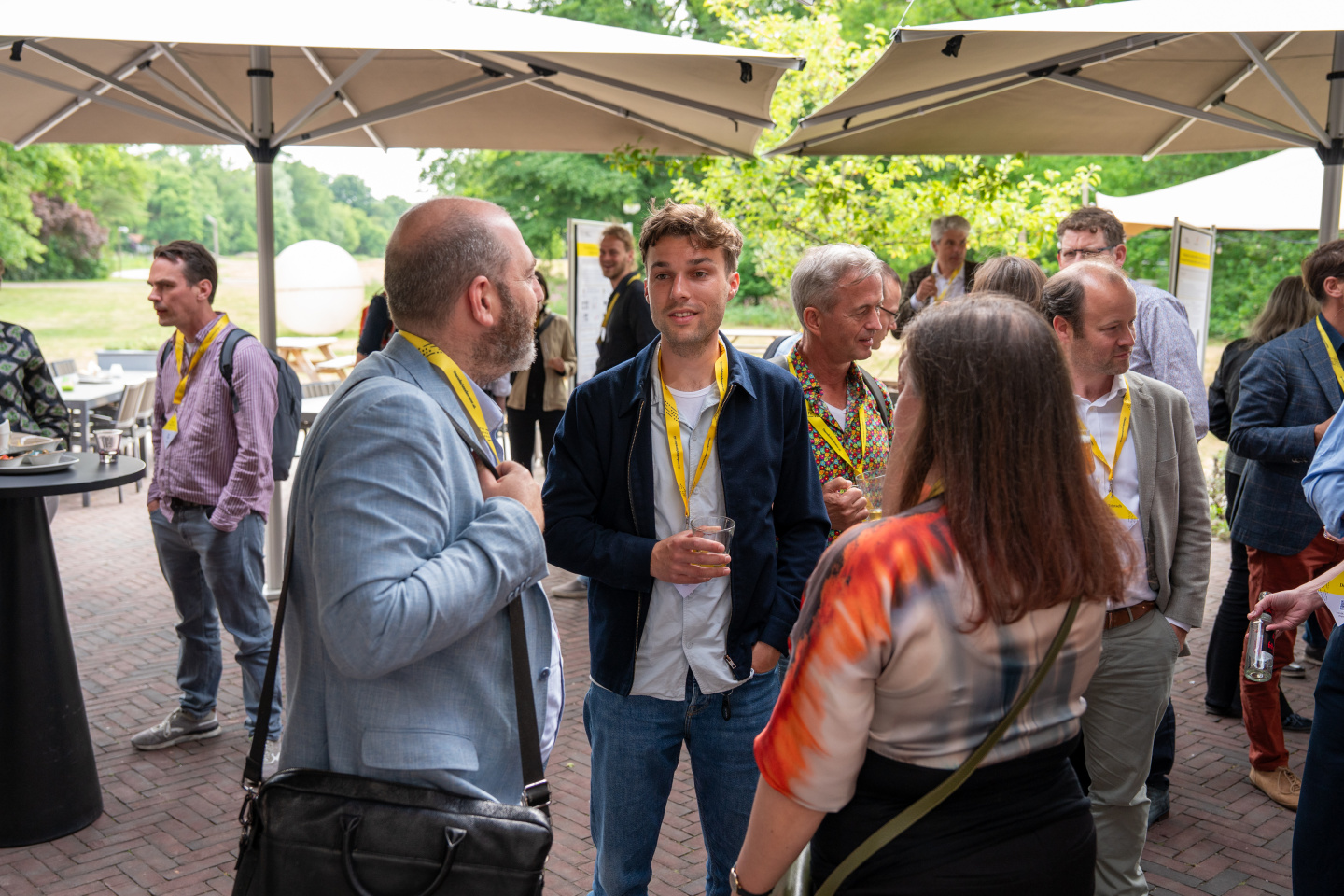
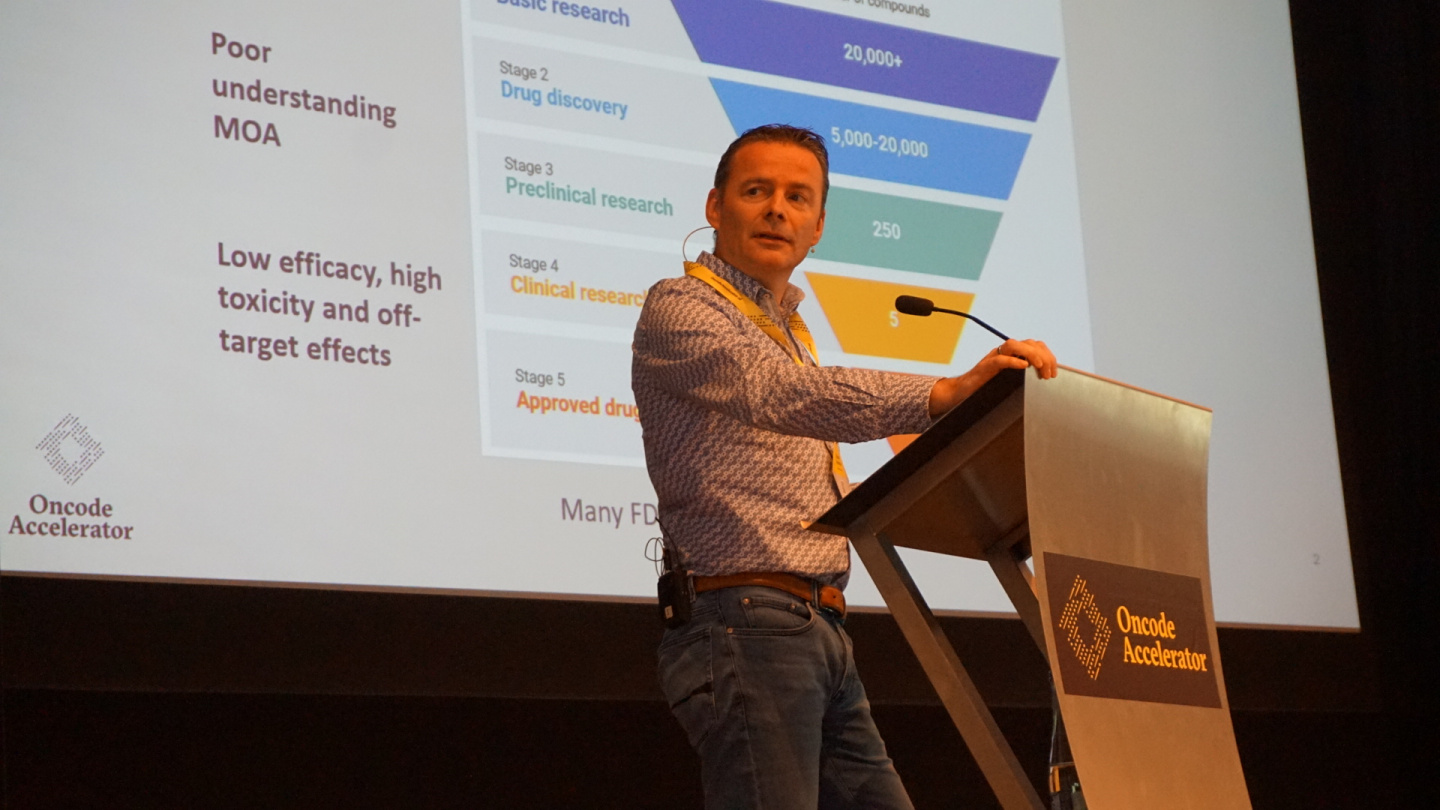
In an informative keynote speech, Shelley Margetson, Managing Partner of V‑Bio Ventures, explained what it takes to build a successful biotech company. She highlighted the need for great science to be supported by a realistic business plan, a strong management team, and sufficient financing. Alternating between the perspective of a biotech company and a venture capital firm, Margetson explained key considerations for success, and how bridges must be built between many different stakeholders – including academics, regulators, suppliers, healthcare providers, and patient organizations. After a short closing by Mark Krul, the keynote speech spurred on interesting discussions across the program over informal drinks and bites.
Day 2: Science Deep‑Dives, Ecosystem Integration, and Valorization
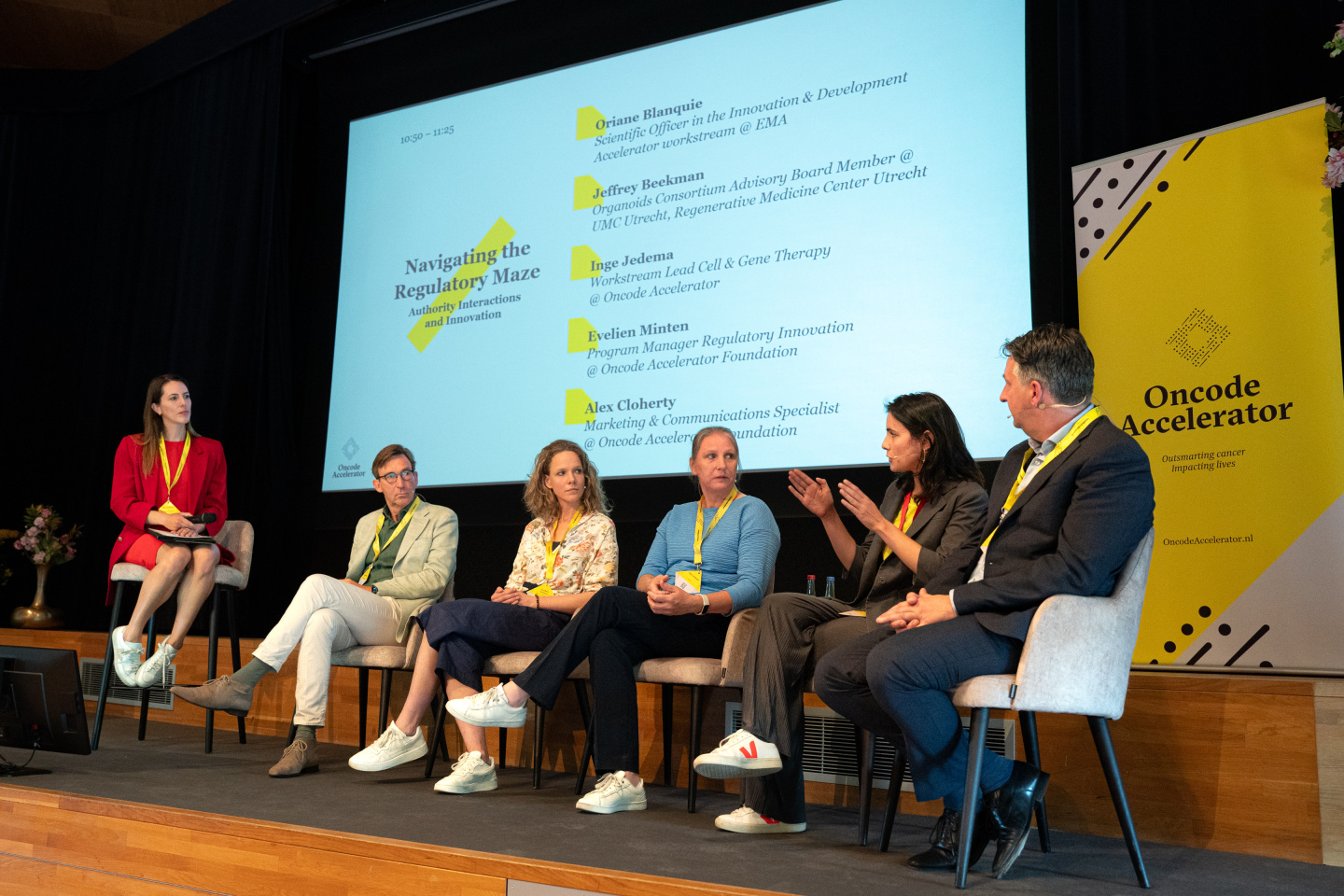
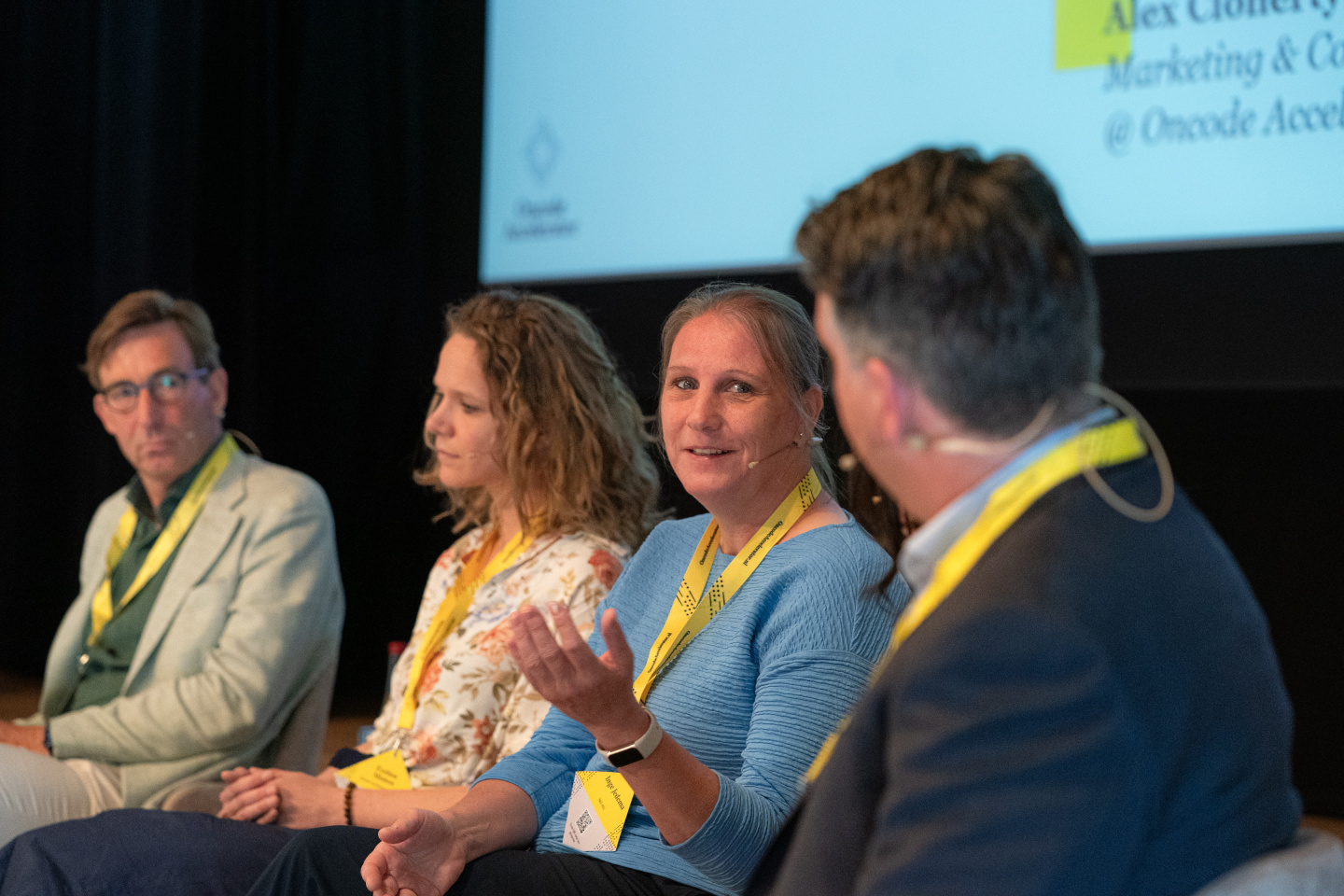
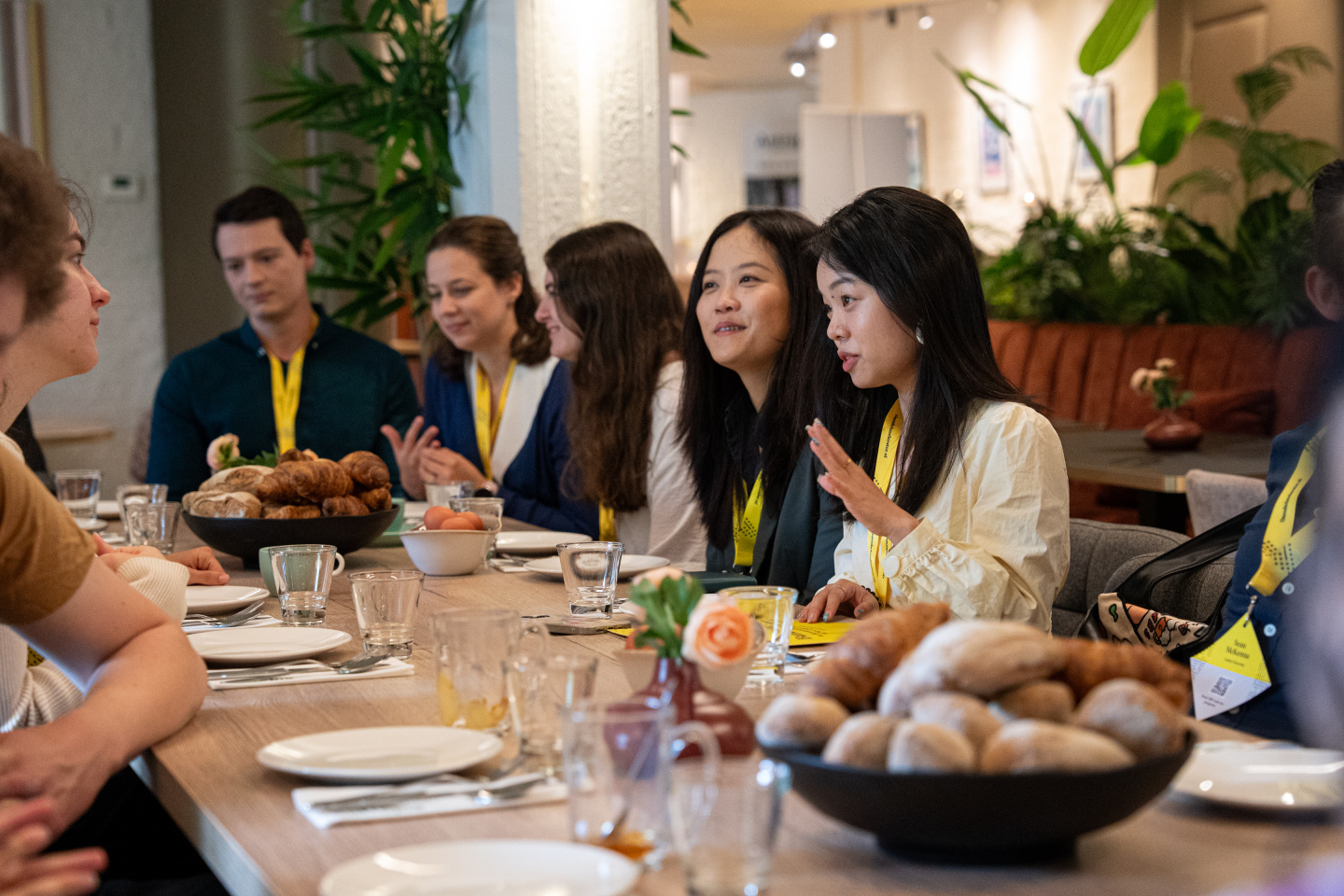
On Day 2, we kicked off with three parallel elements in the program. Young investigators across the program came together at a networking breakfast, while new program members attended an onboarding session. Simultaneously, the Regulatory Innovation Workstream hosted a session including talks from Oriane Blanquie of the European Medicines Agency (EMA) and Jeffrey Beekman of UMC Utrecht, followed by a panel with Jos Kosterink (CCMO, Central Committee on Research Involving Human Subjects) Inge Jedema (Oncode Accelerator Cell & Gene Therapy Workstream), and Evelien Minten (Oncode Accelerator Regulatory Innovation Workstream). Key takeaways from this session were the necessity for open dialogue between drug developers and regulators. Beekman and Jedema stressed that early scientific dialogue is crucial, while the EMA and CCMO representatives encouraged researchers to make use of touchpoints such as EMA Innovation Task Force meetings and open CCMO Symposia like the one scheduled for 11th June 2025.
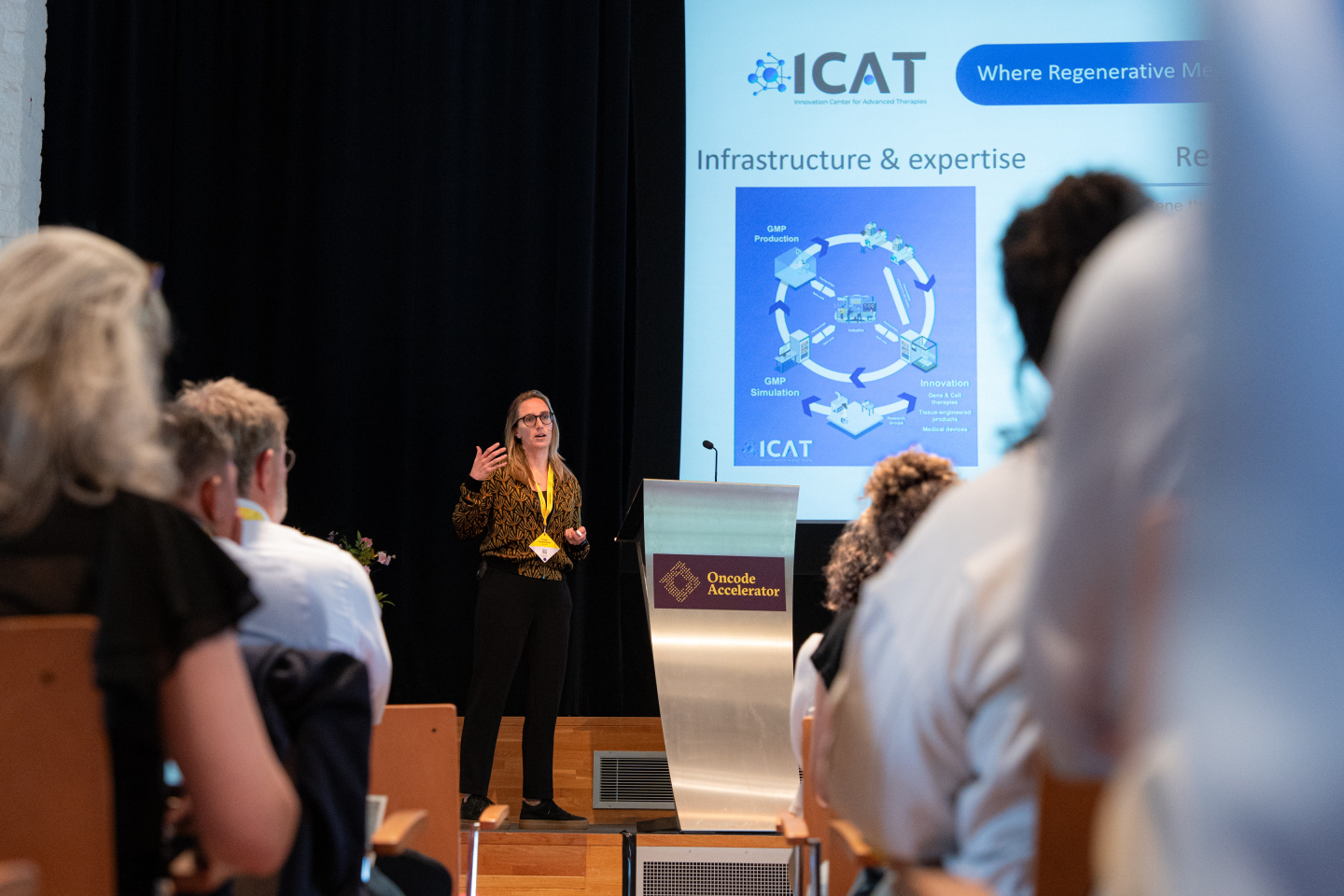
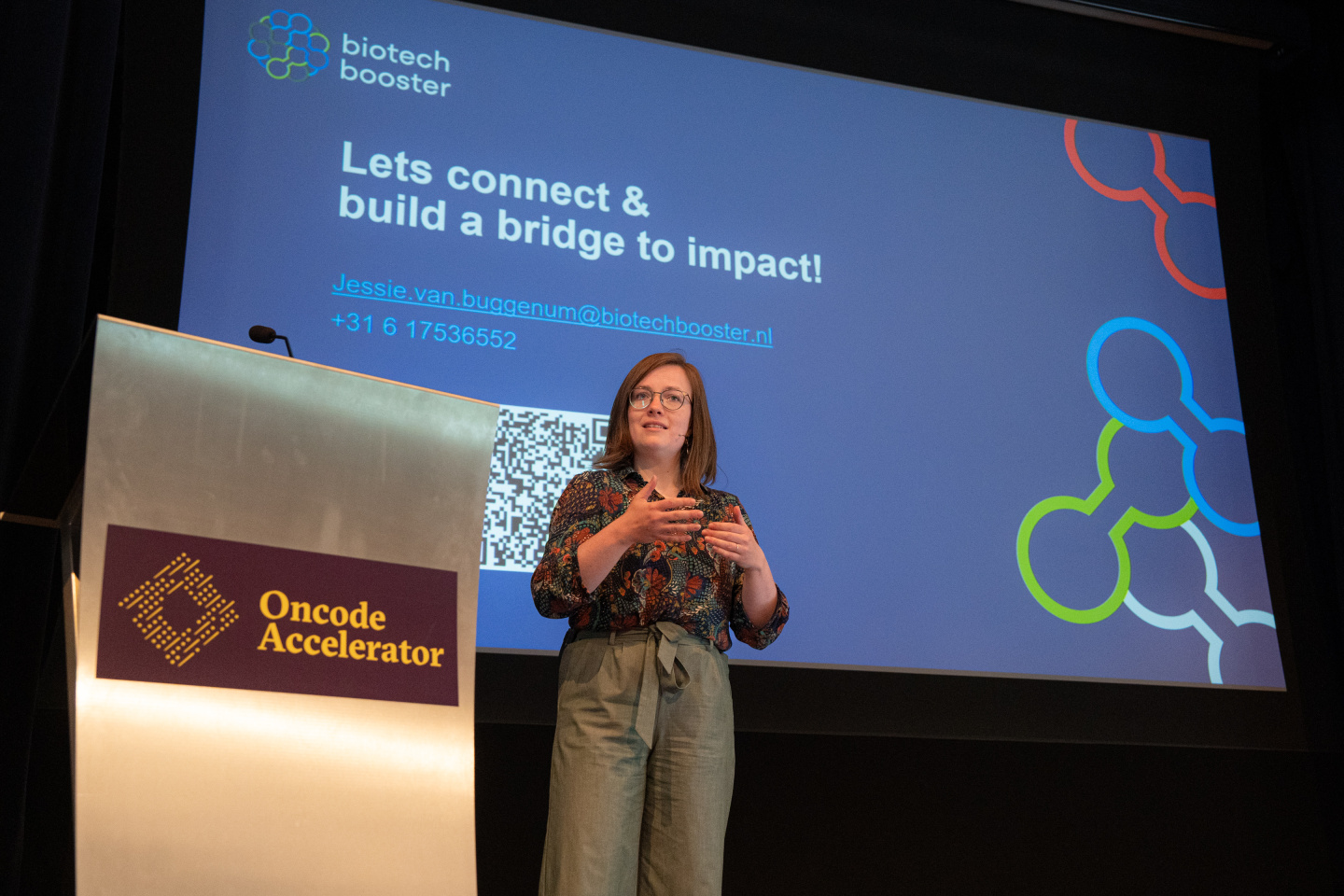
All program members then came together for a session focused on building bridges across initiatives funded by the Dutch National Growth Fund, in particular the Centre for Animal-Free Biomedical Translation (CPBT, Centrum voor Proefdiervrije Biomedische Translatie), Biotech Booster, and RegMed XB’s Innovation Center for Advanced Therapies (ICAT) Facility. Respectively, Jeffrey Beekman, Jessie van Buggenum, and Trudy Straetemans presented the key goals, capabilities, and plans of these innovative programs, as well as opportunities for collaboration with Oncode Accelerator. This session underlined the complementary infrastructure across these national programs, and the collaborative potential to accelerate innovation and competitiveness in the Dutch life sciences community.
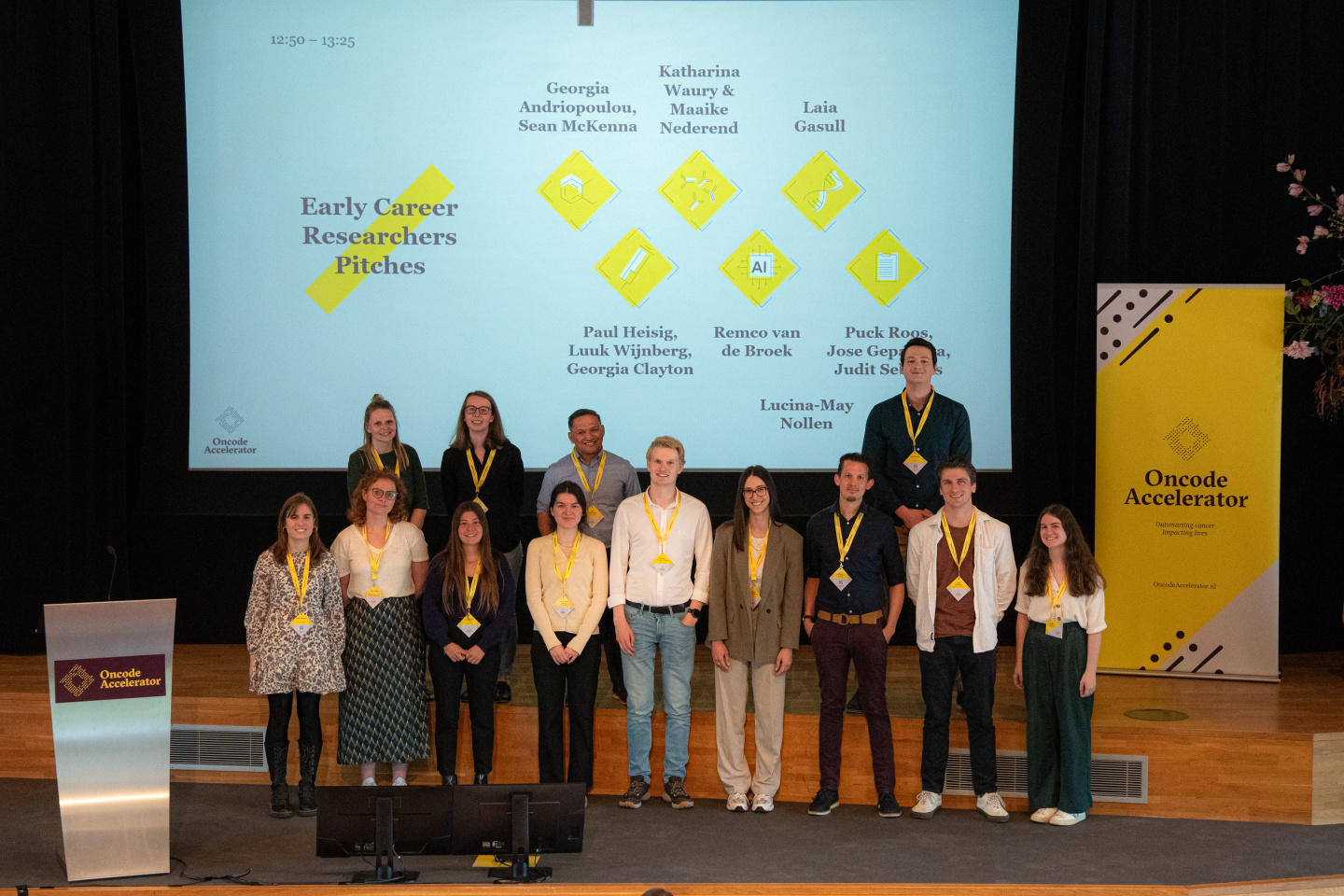
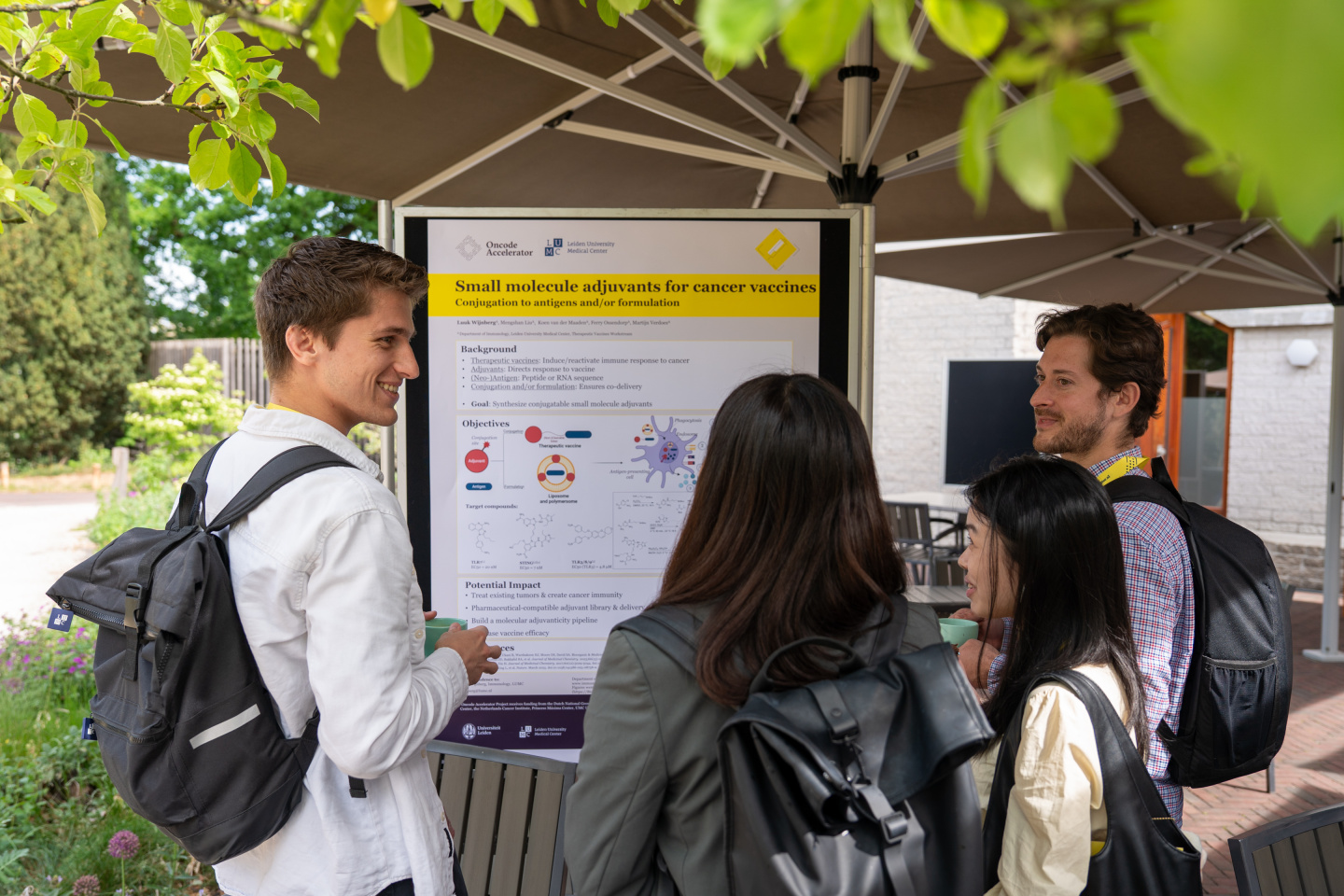
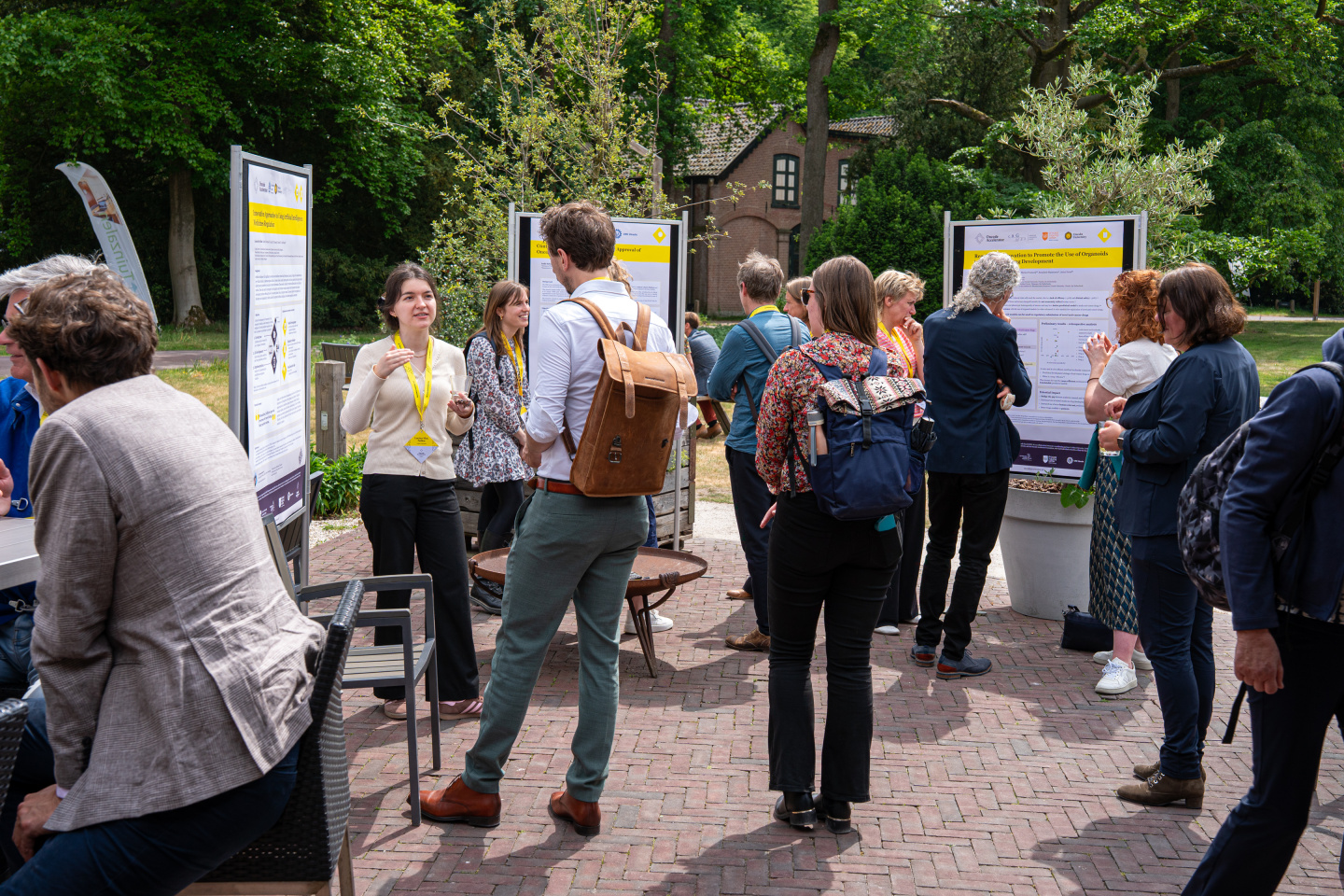
Before lunch, PhD candidates, technicians, and Post-doctoral researchers from across the program took the stage to give rapid-fire pitches of the impactful scientific work they are executing within Oncode Accelerator, ranging from AI-driven discovery and lead identification, to functional characterization of tumor-infiltrating immune cells across patient-derived biobanks, to regulatory science-driven assessment of how organoids can be used in regulatory submission of anti-cancer drugs, and more. Over lunch, these young investigators expanded on their work in a poster session.
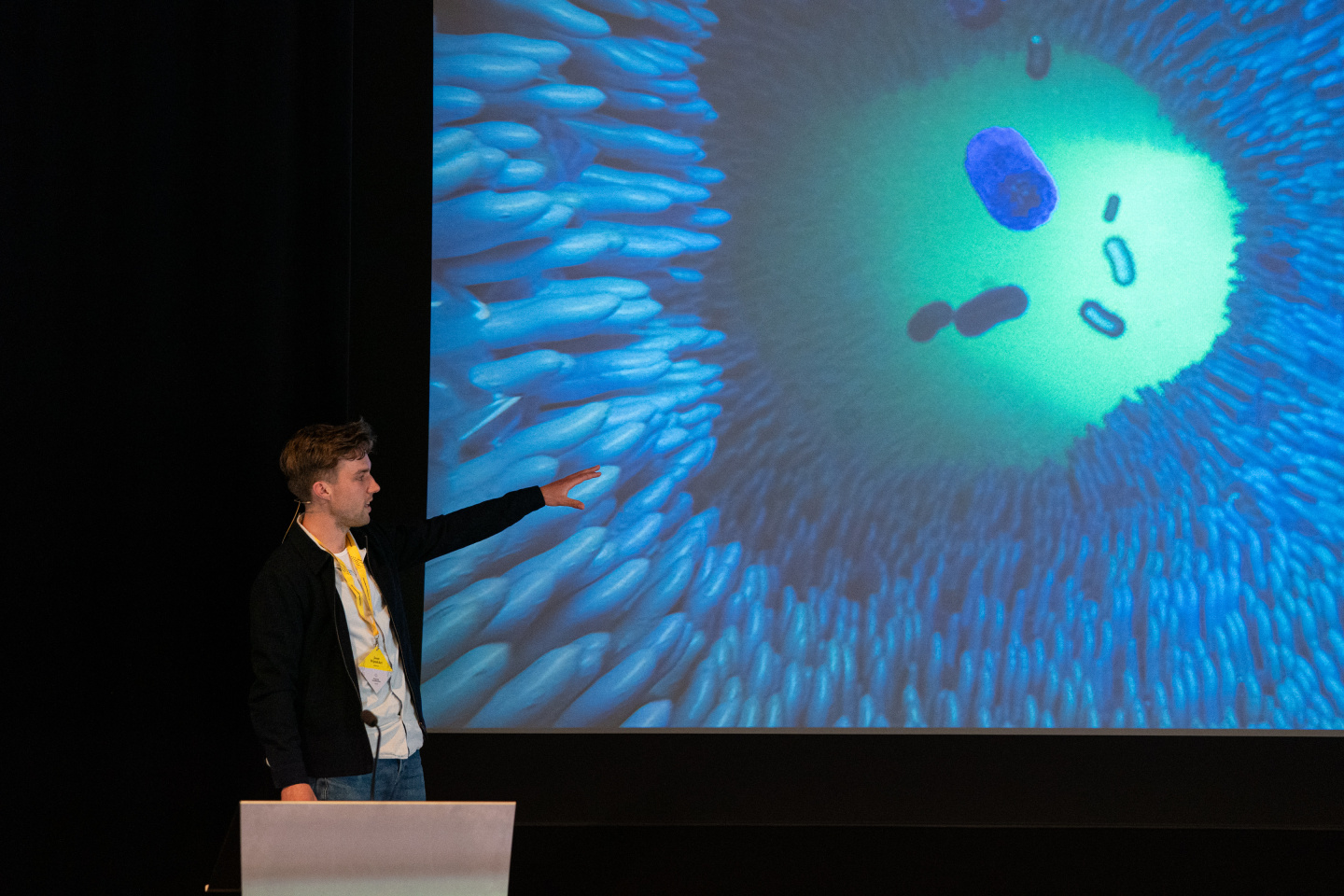
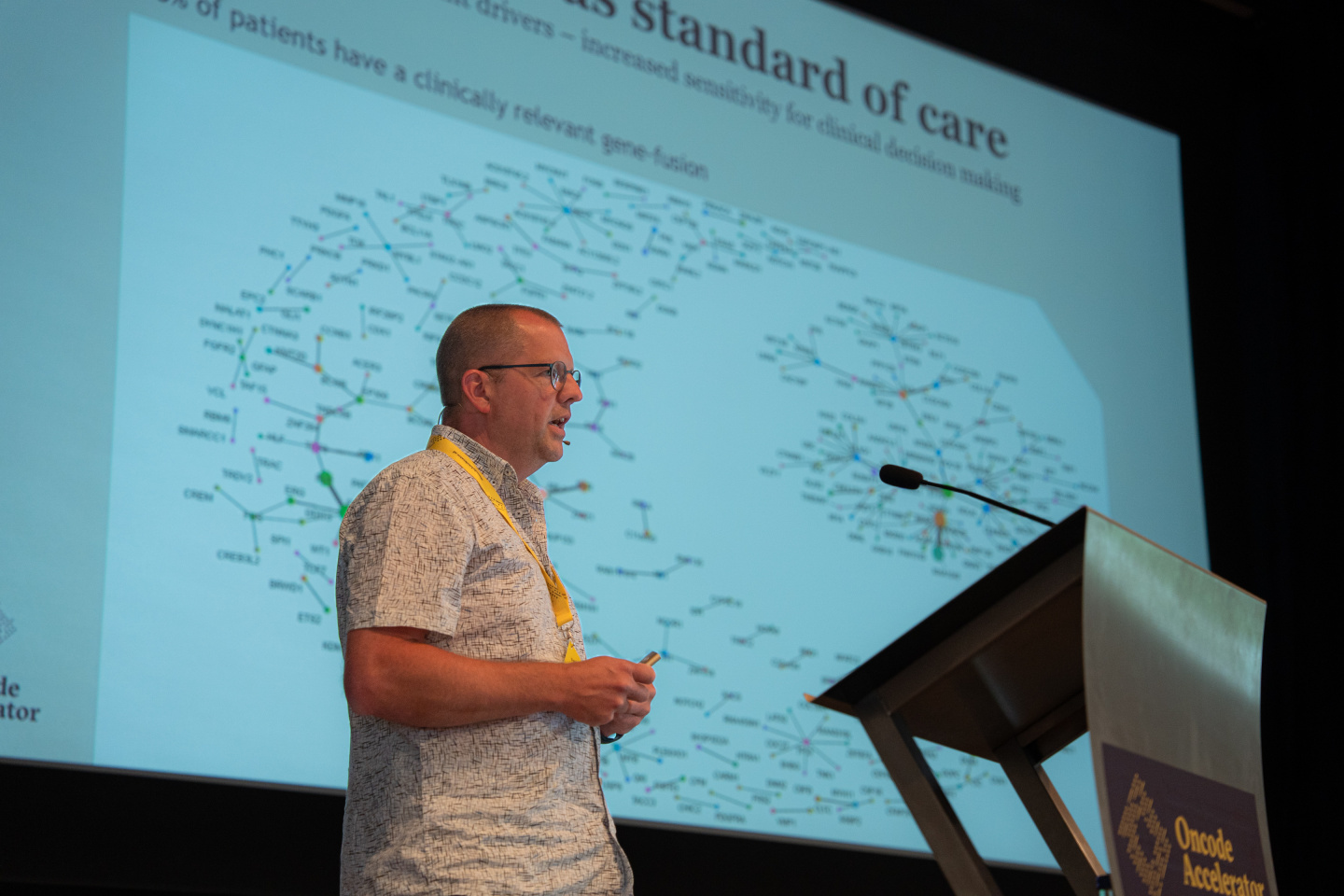
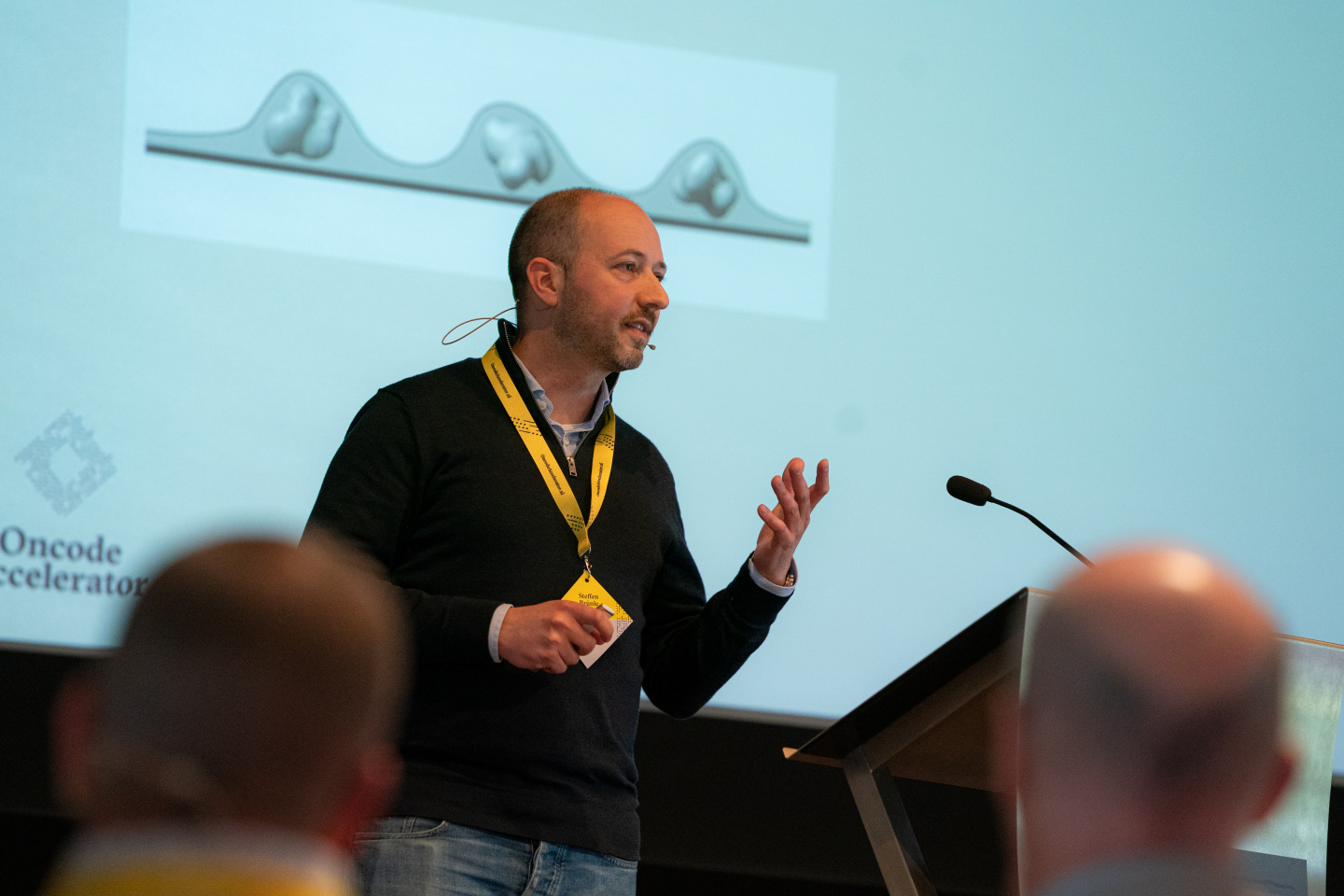
The focus on science continued after lunch, with selected presentations that showcased scientific success stories from the Oncode Accelerator ecosystem. Steffen Brünle of the Small Molecules Workstream kicked off the session with a presentation highlighting how cryo-electron microscopy (cryo-EM) – and in particular the Glacios cryo-EM microscope purchased through Oncode Accelerator – can accelerate structure-based drug discovery. Patrick Kemmeren of the Patient Cohorts Platform then shared how the implementation of whole genome sequencing as a standard of care for every child treated at the Princess Máxima Center for pediatric oncology is allowing scientists and clinicians to link research with care. Joost Wijnakker of the Hubrecht Institute closed the session with a presentation on an invention derived from his doctoral research: the use of Yersinia proteins as a cost-effective alternative to Matrigel for simple and defined organoid culture.
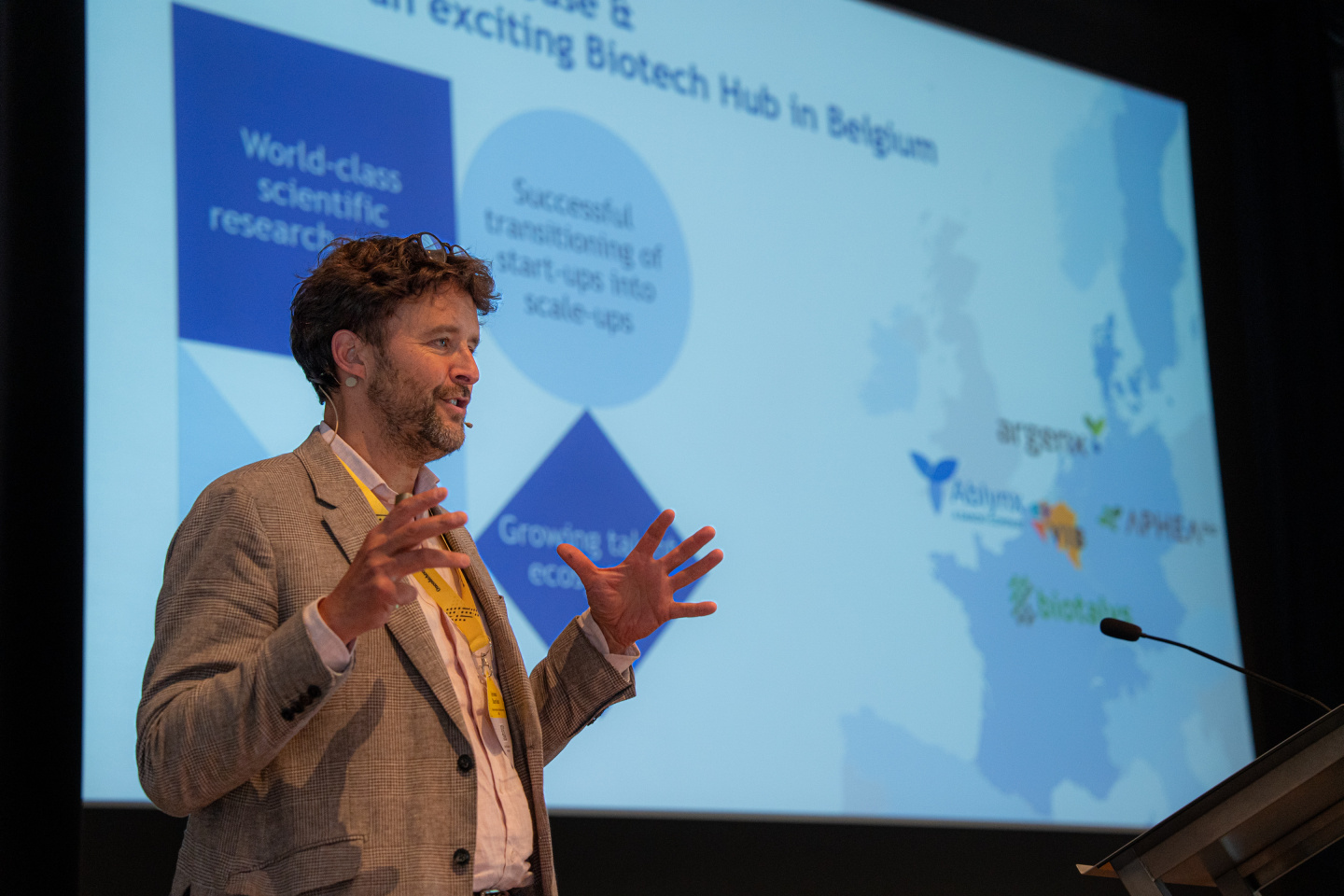
The day then concluded with a keynote presentation from Jérôme van Biervliet, Managing Director of the Vlaams Instituut voor Biotechnologie (VIB, Flemish Institute for Biotechnology), an institute which aims to translate world-class scientific research output into start-ups and scale ups. Van Biervliet stressed the necessity for a strong public funding and private investor landscape, alongside the building and nurturing of key talent, to create a successful translational research ecosystem. He argued that Europe’s competitiveness in biotechnology and oncology – and thereby our ability to accelerate the development and access of innovative medicines, driving patient impact – will strongly depend on Europe’s ability to finance its own innovations.
Arnoud Huisman, CEO of Oncode Accelerator Foundation, closed the Event by reaffirming Oncode Accelerator’s mission to collaboratively optimize and accelerate the development of new cancer therapies for the benefit of patients of all ages. He stressed the momentum across all Workstreams and innovation Platforms across the program, with technical advances being made, initial deliverables achieved, and deepening (inter)national collaboration. By building bridges within and beyond Oncode Accelerator, we can increase the connectivity of the oncology R&D ecosystem in the Netherlands and abroad, bringing us closer to truly outsmarting cancer and impacting lives.