

News
From Clinic to Lab and Back Again: Jeanine Roodhart on Bridging Care and Research
Jeanine Roodhart, Medical Oncologist and Associate Professor at UMC Utrecht, is the lead of Oncode Accelerator’s Patient Cohorts Platform since mid-2025. She is driven by one guiding principle: learning from every patient to improve cancer care and preclinical therapy development for all.
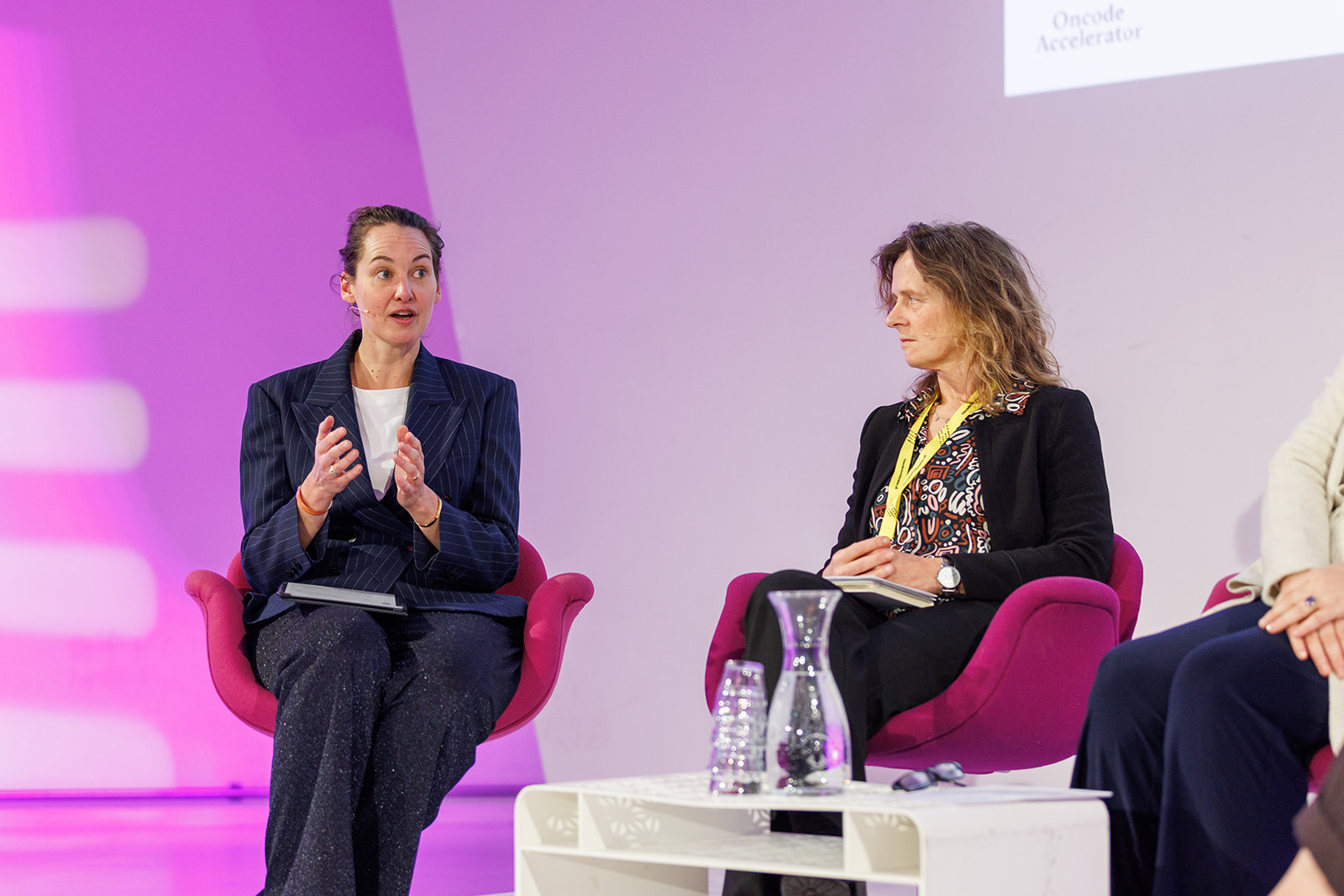
Jeanine Roodhart is a medical oncologist and associate professor who spends half her time in research, and half her time in the clinic. “It’s a great combination – it allows me to assess clinical needs and bring that knowledge back into my research. It also allows me to apply my research directly for my patients, to get key research findings into the clinic,” she says. “That’s the aim of my position here at the UMC Utrecht. Clinical scientist positions were established to allow medical doctors to do research, to bridge the gap from bench to bedside.”
This work merges perfectly with Jeanine’s new role as lead of the Patient Cohorts Platform at Oncode Accelerator. “The work I do with Oncode Accelerator is in line with what I was already doing – bridging the gap between lab and clinic. By being in this position, I can contribute more towards achieving this goal.”
Driving Equitable and Effective Innovation Towards Impact
A key goal that Jeanine has for the Patient Cohorts Platform is to ensure that scientists can “learn from every patient”. This should help researchers gather more robust data to drive discovery and development of therapies that are both more effective, and more equitable.
Jeanine explains: “Randomized controlled trials (RCTs) have very stringent inclusion and exclusion criteria. Therefore, with an RCT you may learn from less than 10% of patients – primarily the young and relatively fit ones. That means that we fail to capture the diversity of the whole patient population, and we can miss information about rarer subgroups of patients, like those with rare mutations or particularly old or frail patients. By setting up large patient cohorts, we can capture that information.”
The Prospective Dutch CRC cohort (Prospectief Landelijk CRC cohort, PLCRC), which is supported by Oncode Accelerator and part of the Patient Cohorts Platform, is a clear example of how this works. Jeanine explains: “The PLCRC includes over 25000 patients. With that many patients, you can capture very rare subgroups. For example, if we look at immunotherapy, it’s only given to about 5% of metastatic patients, and then 80% of those patients respond – so to study non-response to immunotherapy you need to focus on 1% of all patients. To learn from a small minority of patients like these non-responders, we need to start with a very large group of patients. That’s why setting up large patient cohorts is so important.”
This type of data is key for learning more about which patients benefit most from a given therapy. It is also invaluable for the development of new cancer drugs, which is the focus area of Oncode Accelerator. “Once we have many different patient cohorts established, it will give us data from many, diverse patients,” says Jeanine. “That can help scientists do drug development in a more representative way. For example, we can use this data to match in vitro laboratory models to a given target population of patients.”
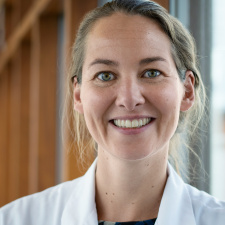
Jeanine Roodhart, Medical Oncologist and Associate Professor at UMC UtrechtOnce we have many different patient cohorts established, it will give us data from many, diverse patients. That can help scientists do drug development in a more representative way.
Bridging Preclinical and Clinical Research
Jeanine and her team recently completed a study in colon cancer patients that provides a good example of why it is important to have access to high-quality, representative patient data – data that better captures the full diversity of patients. In this study, a novel triple-drug combination was tested in a Phase I clinical trial. The triple-therapy was designed based on promising preclinical data from organoids, which are mini-organs grown in the lab. Organoids can be grown from the cells of real patients and therefore can be very realistic laboratory models. However, the triple-therapy was still less effective in patients than the scientists had anticipated based on the positive organoid data.
“Our key insight came after the trial,” Jeanine says. “The organoids we used to design the drug were derived from chemotherapy-naïve tumors. But Phase I trials are conducted in refractory, heavily pretreated patients. When we analyzed organoids generated from the tumors of patients that had participated in the trial, we saw that those organoids were much more therapy-resistant than the organoids we used to develop the new therapy. We realized that chemotherapy induced resistance to the targeted triple-therapy – in both the patients and the organoids.”
This realization has major implications. “If we had used organoids from refractory, previously treated patients for our drug development studies, we would have seen that the efficacy was not as high as we hoped earlier, and then designed a different drug combination or selected a different patient population to test the efficacy of the triple-therapy,” Jeanine explains. This work has already led to multiple translational publications and is now being expanded with further studies in the lab to better understand what drives the therapy resistance. It also underlines the need for laboratory models that very closely mimic the situation in real patients, in order to design the best possible drugs – a key focus area for Oncode Accelerator.
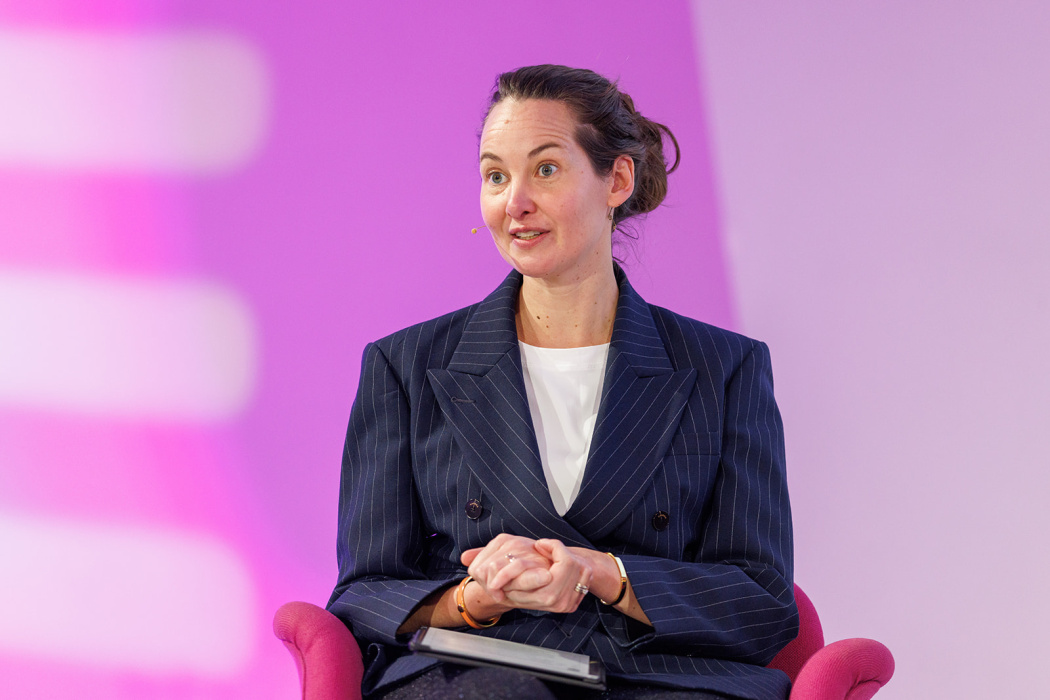
More Predictive Disease Models
Jeanine and her colleagues have extensive experience in developing and performing research with colorectal cancer organoids. For example, they recently completed the nationwide OPTIC trial, which included more than 200 patients across the Netherlands. Biopsies were taken just before patients started a new treatment, allowing drug responses in organoids to be directly compared to their clinical outcomes.
“We could show that when we would ‘treat’ the organoid in the lab with the same therapy the patient was getting, the data matched. The predictive value of the organoids was strong,” Jeanine says. “This supports the use of organoids both for selecting personalized therapeutic strategies for patients – by screening therapies on patient-derived organoids in the lab and selecting the best one to treat the patient. It also supports the use of organoids as a model for the development of new therapies.”
Jeanine Roodhart, Medical Oncologist and Associate Professor at UMC UtrechtWe could show that when we would ‘treat’ the organoid in the lab with the same therapy the patient was getting, the data matched. The predictive value of the organoids was strong.
At the same time, Jeanine emphasizes that more complex laboratory models are still needed. For instance, the tumor microenvironment – the area around a tumor, which includes nearby non-cancerous cells, blood vessels, and immune cells – is known to play an important role in patients’ treatment responses. However, current organoid models do not include tumor microenvironment factors. This is a gap that Jeanine and her team are working to fill: “We’re setting up more advanced models together with the Organoid Platform, which will include different patient-derived immune cells. The models we have now work well for testing chemotherapies for example, but it’s important to have these co-culture models to test other types of therapies such as immunotherapies.”
Enabling Innovation Through Real-Time Data
For scientists partnering with Oncode Accelerator through Demonstrator Projects – preclinical discovery and development projects aiming to develop new cancer therapies – the Patient Cohorts Platform offers a uniquely rich resource. Through initiatives such as the Real-time (Hemato) ONcology DAta (R(H)ONDA) infrastructure, which is supported by Oncode Accelerator, researchers can access clinical data in real-time. “It’s very valid, well-characterized clinical data overseen by data managers – so you know you start with high-quality data,” Jeanine adds.
Demonstrator Project partners can also access corresponding samples from patients in these cohorts. “Within our cohorts, we have informed consent from patients to use tissue and blood samples, which is a very rich source of information for preclinical research,” says Jeanine.
The real-time aspect of this is key: “Instead of working with potentially outdated datasets, we can now identify patient subgroups in real time. That means we can even request additional samples from patients and quickly correlate patients’ outcomes with the treatment they received,” Jeanine explains. “In the future, this could also allow patients to participate in intervention trials and help us to more optimally identify and allocate patients to specific clinical trials. That’s one of the goals of our early-phase clinical trial platform within the Patient Cohorts platform.”
Building Strong Connections between Patients and Researchers
With eight patient cohorts now running — including the recently launched breast cancer cohort — Jeanine sees enormous potential. Going forward, her ambitions include deepening the collaborations with Oncode Accelerator’s Organoids and AI platforms and creating clear computer dashboards that show researchers exactly which samples and data are available. “This will help us to align better with the research questions from Oncode Accelerator’s Workstreams and allow researchers to make optimal use of our Platform,” Jeanine says.
Jeanine Roodhart, Medical Oncologist and Associate Professor at UMC UtrechtUltimately, everything we do is about improving care for patients. That means personalizing treatments, avoiding ineffective therapies, and offering new options to patients.
“Ultimately, everything we do is about improving care for patients,” she reflects. “That means personalizing treatments, avoiding ineffective therapies, and offering new options to patients.” By strengthening connections between patients and researchers, Jeanine Roodhart and the Patient Cohorts Platform are helping Oncode Accelerator to transform data into discovery, and discovery into impact.
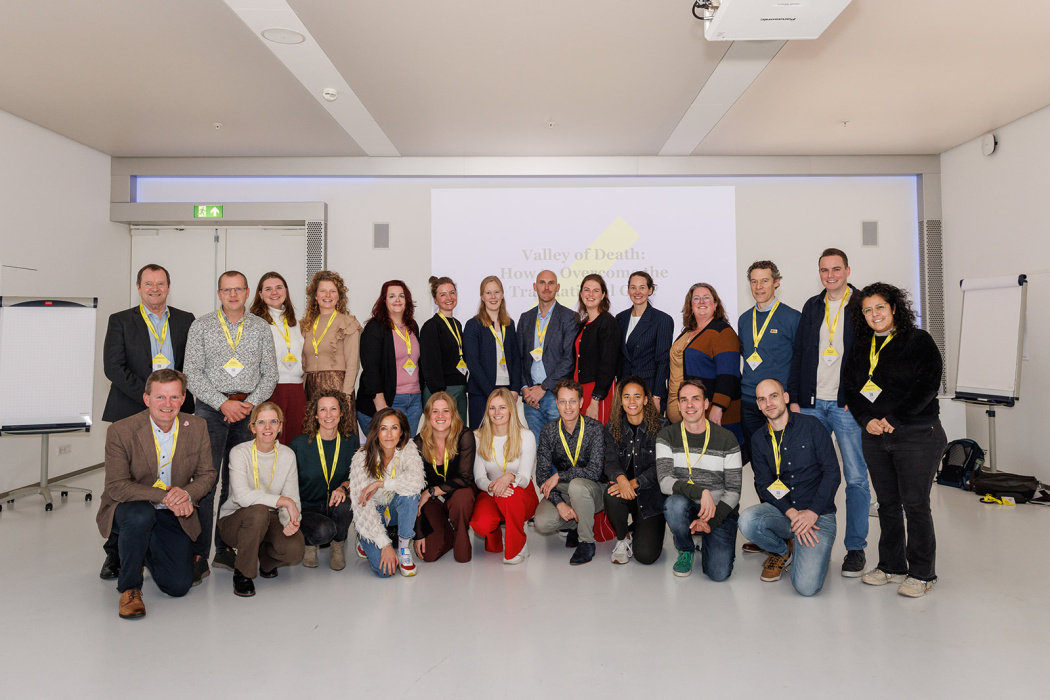
About UMC Utrecht
Every day, UMC Utrecht pushes the boundaries of healthcare improvement and population health. But being at the forefront isn’t enough. Together with their partners, UMC Utrecht aims to be a trailblazer, propelling Dutch healthcare to new heights. UMC Utrecht’s research stands at the cutting edge of innovation, encompassing six strategic themes: Brain, Cancer, Child Health, Circulatory Health, Infection & Immunity, and Regenerative Medicine & Stem Cells. UMC Utrecht’s dynamic, multidisciplinary approach places patients at the core of every initiative. UMC Utrecht forges strategic partnerships to create regional and international impact, addressing healthcare challenges and reducing health disparities.
UMC Utrecht is one of six coordinating partners of Oncode Accelerator and leads individual consortia within the Oncode Accelerator Project.