

News
Thousands of Previously Unknown Proteins Discovered
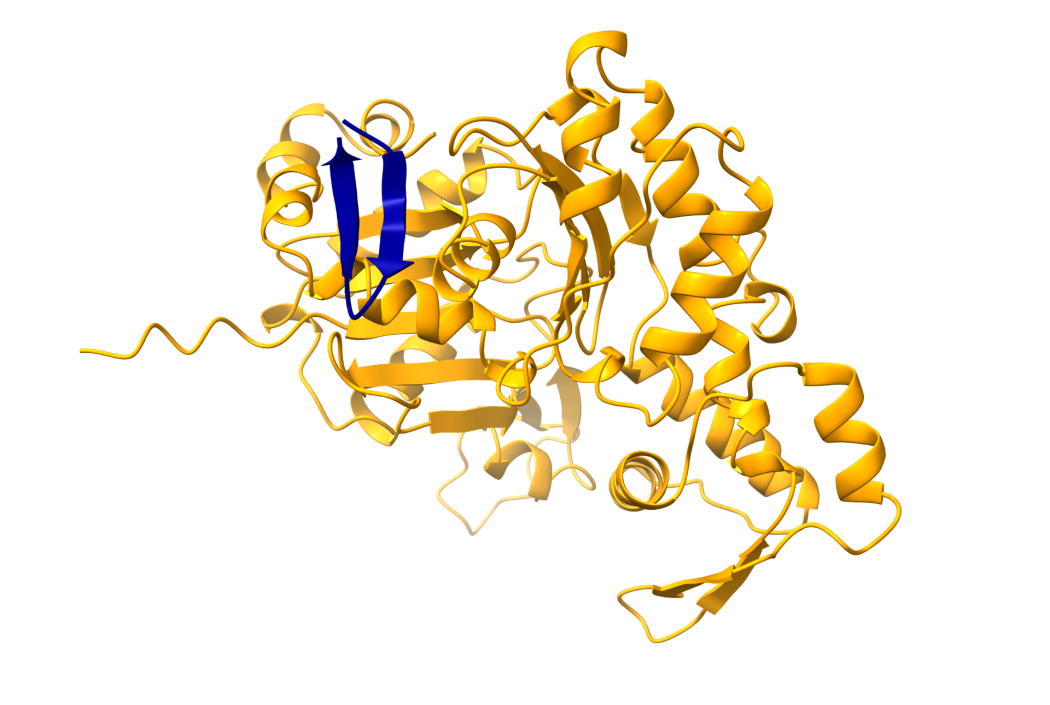
A group of international researchers has discovered 1,700 new proteins. The research data they collected has been made accessible to other researchers. These are small proteins that may play an important role in cells, for example in the development of diseases such as (childhood) cancer. The researchers hope to quickly learn more about the role of these newly discovered micro‑proteins in the so‑called dark proteome, which they call peptideins. These proteins may offer new leads for future treatments.

“It was very special when we realized: this really is something new!” says Dr. Sebastiaan van Heesch, research group leader at the Princess Máxima Center and Oncode Institute (and part of the Therapeutic Vaccines Workstream at Oncode Accelerator). He led the study together with two other scientists from the United States.
There is still much to learn about the thousands of new proteins. Leron Kok, a PhD candidate in the Van Heesch group and involved in the research, explains: “What we do know is that they are produced by the thousands in every cell of our body. And we have also shown that some of these peptideins are essential for a cell’s survival: the cell dies when you remove the small protein.”
Discovering a New World Together
Previous research into the precise role of the microprotein involved in medulloblastoma took nearly four years. This work was published by the Van Heesch group in collaboration with the research group of Dr. John Prensner at the University of Michigan, which is also part of the same international consortium.
Many peptideins still remain to be studied. The researchers are therefore pleased that the research data on the new proteins is now accessible to other scientists via databases. This allows other researchers to include them in their own studies and to indicate, for example, when they observe that one of the proteins is involved in a specific cellular process, carries DNA changes linked to disease, or frequently occurs in certain types of cancer.
Researchers can also use the database to make their research results more complete. Thousands of additional peptideins that previously remained invisible in results, but are present in the cell, can now be added. Van Heesch says: “This is how we discover this new world of previously unknown proteins together.”
The results were published today in the leading scientific journal Nature. Earlier, Nature and the likewise prestigious journal Science published news articles about this research. The study was made possible by many funding organizations. For the research at the Princess Máxima Center, these included, among others, Oncode Accelerator, the Netherlands Organisation for Scientific Research (NWO), Oncode Institute and Stichting Kinderen Kankervrij (KiKa).
A New Molecular Type
Peptidein is now officially recognized as a new molecular type in human cells. “With peptideins, we are filling a ‘biological gap’. Using new techniques, we have given a name to something we detected, saw had potential for further research, formally defined it, and made it accessible to other researchers,” says Van Heesch.
Sebastiaan van Heesch, Research Group Leader at the Princess Máxima Center and Oncode Institute, co-Lead of Oncode Accelerator Therapeutic Vaccines WorkstreamUsing new techniques, we have given a name to something we detected, saw had potential for further research, formally defined it, and made it accessible to other researchers.
Innovative Technologies
To reach this point, experts in proteomics, immunopeptidomics, ribosome profiling, and gene annotation collaborated within the TransCODE consortium. The study was led by Dr. Sebastiaan van Heesch, research group leader at the Princess Máxima Center, together with Dr. John Prensner and Dr. Robert Moritz, research group leaders at the University of Michigan and the Institute for Systems Biology in Seattle, respectively.
Researchers discovered and added this new group of proteins to reference databases thanks to advanced techniques, including:
- CRISPR‑Cas9 screening to determine biological function; are there peptideins that are crucial for cell survival?
- A new bioinformatics program to measure the evolutionary age of peptideins and the selective pressure acting on them
- Optimized size-enriched and targeted proteomics technologies to improve the detection and validation of peptideins
Consensus and Evidence
Leron Kok is, together with four other authors from the United States and the United Kingdom, first author of the study published in Nature. “We analyzed and visualized a vast amount of public data to achieve consensus and scientific evidence to properly establish this new group,” he says.
The researchers investigated 7,264 so‑called non‑canonical open reading frames (ncORFs). These ncORFs are produced by previously overlooked genes in our DNA, the so‑called non‑coding genome, and are the source of peptideins. They found that approximately a quarter of the studied ncORFs actually produce proteins. This was unprecedented proof of their existence.
Evidence was provided for 1,700 detected peptideins. These have been included as a new group in reference databases accessible to researchers, such as GENCODE, UniProt, and PeptideAtlas. The data helps researchers obtain a more complete picture of biological processes in and around different types of cells. This makes it possible, for example, to identify more precise targets for immunotherapy. The database also helps compare candidates for new therapies and analyze data more effectively. The consortium intends to continue feeding the databases with new data, and the first expansion has already taken place.
Van Heesch explains: “With this recognition and by making the information accessible, we have opened a new field of research and built a bridge to research groups in the proteomics field. The insights they gain will allow us to prioritize the roles that thousands of new peptideins play in cells and determine where therapeutic opportunities with these previously unknown proteins may lie.”
The study was conducted by the TransCODE consortium, an international collaboration of more than 60 researchers from over 30 institutions worldwide. The consortium is co‑led by the Princess Máxima Center for pediatric oncology in the Netherlands, the University of Michigan Medical School, the EMBL European Bioinformatics Institute in Hinxton, and the Institute for Systems Biology in Seattle. The consortium continues its work and collaborates with other dark proteome initiatives, such as the recently awarded Cancer Grand Challenge to Team ILLUMINE.
Original source of article: https://www.prinsesmaximacentrum.nl/en/news/thousands-of-previously-unknown-proteins-discovered
About the Princess Máxima Center for pediatric oncology
Around 600 children in the Netherlands get cancer every year, and one in four children who are diagnosed with cancer dies from this illness. When a child is seriously ill with cancer, only one thing comes first: cure. That is why the Princess Máxima Center for pediatric oncology works together every day in a groundbreaking and passionate way to improve the survival rate and quality of life of children with cancer. Now, and in the longer term. Because children still have a whole life ahead of them. The Princess Máxima Center is not an ordinary hospital, but a research hospital. All children with cancer in the Netherlands are treated here. This makes the Princess Máxima Center the largest pediatric cancer center in Europe. Over 450 researchers and 900 healthcare professionals work closely with Dutch and international hospitals on better treatments and new perspectives on cures. In this way, the Princess Máxima Center gives the child of today the very best care and take important steps to improve the chances of survival for the children who are not yet cured.
Website: https://www.prinsesmaximacentrum.nl/en
About the TransCODE Consortium
The study is the work of the TransCODE Consortium, an international collaboration of more than 60 researchers at over 30 institutions worldwide, co-led by the Princess Máxima Center for Pediatric Oncology in the Netherlands, the University of Michigan Medical School, the EMBL European Bioinformatics Institute in Hinxton, and the Institute for Systems Biology in Seattle.
Did you like this article? Subscribe to our newsletter for more like this.
Een groep internationale onderzoekers heeft 1700 nieuwe eiwitten ontdekt. De onderzoeksdata die ze daarbij verzamelden is toegankelijk gemaakt voor andere onderzoekers. Het gaat om kleine eiwitten die een belangrijke rol in cellen kunnen spelen, bijvoorbeeld bij het ontstaan van ziektes als (kinder)kanker. De onderzoekers hopen snel meer te leren over de rol van deze nieuw ontdekte micro-eiwitten in het zogenaamde dark proteome, die ze peptideïnes noemen. Deze eiwitten bieden mogelijk aanknopingspunten voor nieuwe behandelingen.
“Het was heel bijzonder toen we beseften: dit is echt iets nieuws!” vertelt Dr. Sebastiaan van Heesch, onderzoekgroepsleider in het Prinses Máxima Centrum en Oncode Institute (en onderdeel van de Therapeutic Vaccines Workstream binnen Oncode Accelerator). Hij leidde samen met twee andere wetenschappers uit de Verenigde Staten het onderzoek.
Er is nog veel over de duizenden nieuwe eiwitten te leren. Leron Kok is promovendus in de Van Heesch groep en betrokken bij het onderzoek: “Wat we wél weten, is dat ze met duizenden tegelijk gemaakt worden in iedere cel van ons lichaam. En we hebben ook laten zien dat sommige van deze peptideïnes essentieel zijn voor de overleving van een cel: de cel gaat dood wanneer je het kleine eiwit weghaalt.”
Samen een Nieuwe Wereld Ontdekken
Eerder onderzoek naar de precieze rol van het micro-eiwit betrokken bij meduloblastoom duurde bijna vier jaar. Dit werd gebubliceerd door de Van Heesch groep samen met de onderzoeksgroep van dr. John Prensner van de Universiteit van Michigan, ook onderdeel van dezelfde internationale groep.
Er zijn nog vele peptideïnes te onderzoeken. De onderzoekers zijn daarom blij dat de onderzoeksdata van deze nieuwe eiwitten nu toegankelijk is voor andere onderzoekers via databanken. Daardoor kunnen andere onderzoekers ze nu ook meenemen in hun onderzoeken. En aangeven wanneer zij bijvoorbeeld zien dat een van de eiwitten bij een bepaald proces in de cel betrokken is, DNA-veranderingen gekoppeld aan ziekten met zich meedraagt of veel bij bepaalde vormen van kanker voorkomt.
Onderzoekers kunnen de database ook gebruiken om hun onderzoeksresultaten completer te maken. Duizenden extra peptideïnes die eerder in de resultaten onzichtbaar bleven, maar wel in de cel aanwezig zijn, kunnen nu worden toegevoegd. Van Heesch: “Zo ontdekken we samen deze nieuwe wereld van tot nog toe onbekende eiwitten.”
De resultaten zijn onlangs gepubliceerd in het toonaangevende vakblad Nature. Eerder deelden Nature en het eveneens prestigieuze vakblad Science nieuwsberichten over dit onderzoek. Dit onderzoek werd mogelijk gemaakt door vele financiers. Voor het onderzoek in het Máxima waren dit onder andere: Oncode Accelerator, de Nederlandse Organisatie voor Wetenschappelijk Onderzoek (NWO), Oncode Institute en Stichting Kinderen Kankervrij (KiKa).
Peptideïne wordt nu officieel erkend als een nieuw molecuultype in menselijke cellen. “Met de peptideïnes vullen we een ‘biologisch gat’ op. We hebben met nieuwe technieken iets wat we detecteerden, en waarvan we zagen dat het potentie heeft voor verder onderzoek, een naam gegeven, vastgelegd en opengesteld voor andere onderzoekers,” aldus Van Heesch.
Sebastiaan van Heesch, Onderzoekgroepsleider in het Prinses Máxima Centrum en Oncode Institute, Oncode Accelerator Therapeutic Vaccines Workstream co-LeiderWe hebben met nieuwe technieken iets wat we detecteerden, en waarvan we zagen dat het potentie heeft voor verder onderzoek, een naam gegeven, vastgelegd en opengesteld voor andere onderzoekers.
Innovatieve Technologieën
Om daar te komen werkten experts in proteomics, immunopeptidomics, ribosoom profilering en gen-annotatie samen binnen het TransCODE consortium. Dr. Sebastiaan van Heesch, onderzoekgroepsleider in het Prinses Máxima Centrum, Dr. John Prensner en Dr. Robert Moritz, respectievelijk onderzoekgroepsleiders aan de Universiteit van Michigan en het Institute for Systems Biology in Seattle, leidden de studie.
Onderzoekers ontdekten en voegden deze nieuwe groep eiwitten toe aan de referentiedatabases dankzij het gebruik van geavanceerde technieken:
- CRISPR‑Cas9‑screening voor de bepaling van de biologische rol; zijn er peptideïnes die cruciaal zijn voor het overleven van de cel?
- Een nieuwe bioinformatische analysemethode voor het meten van evolutionaire leeftijd en selectiedruk op peptideïnes
- Geoptimaliseerde size‑enriched en targeted proteomics technologieën voor het beter kunnen detecteren en valideren van peptideïnes.
Consensus en Bewijs
Leron Kok is samen met vier andere auteurs uit de Verenigde Staten en het Verenigd Koninkrijk eerste auteur van het in Nature gepubliceerde onderzoek. “We hebben heel veel publieke data geanalyseerd en gevisualiseerd om tot consensus en het wetenschappelijke bewijs te komen om deze nieuwe groep goed vast te leggen.”
De onderzoekers onderzochten 7.264 zogenaamde non-canonical open reading frames (ncORFs). Deze ncORFs worden gemaakt door tot nu toe over het hoofd geziene genen in ons DNA, het zogenoemde ‘non-coding genome’, en zijn de bron van de peptideïnes. Ze zagen dat ongeveer een kwart van de onderzochte ncORFs daadwerkelijk eiwitten produceert. Dit was het niet eerder vertoonde bewijs voor hun bestaan.
Bewijs werd opgeleverd voor 1.700 gedetecteerde peptideïnes. Deze zijn als nieuwe groep opgenomen in voor onderzoekers toegankelijke referentiedatabases, zoals GENCODE, UniProt, en PeptideAtlas. De data helpt onderzoekers om een completer beeld te krijgen van de biologische processen in en rond verschillende typen cellen. Dit maakt het bijvoorbeeld mogelijk om preciezer aangrijpingspunten voor immuuntherapie te vinden. Ook helpt de database bij het vergelijken van kandidaten voor nieuwe therapieën en bij het beter analyseren van data. Het consortium wil de databases blijven voeden met nieuwe data. Inmiddels heeft de eerste uitbreiding in de databases plaatsgevonden.
Van Heesch: “We hebben met deze erkenning en het toegankelijk maken van de informatie een nieuw onderzoeksveld geopend en een brug geslagen richting onderzoeksgroepen in het proteomics-veld. Door de inzichten die zij verkrijgen kunnen we de rol die de duizenden nieuwe peptideïnes in cellen spelen prioriteren en bepalen waar therapeutische kansen met deze tot nog toe onbekende eiwitten liggen.”
De studie is uitgevoerd door het TransCODE-consortium, een internationale samenwerking van meer dan 60 onderzoekers van ruim 30 instellingen wereldwijd. Het consortium wordt mede geleid door het Prinses Máxima Centrum voor kinderoncologie in Nederland, de University of Michigan Medical School, het EMBL European Bioinformatics Institute in Hinxton en het Institute for Systems Biology in Seattle. Het consortium zet zijn werk voort en werkt daarbij samen met andere dark proteome initiatieven, zoals de onlangs toegekende Cancer Grand Challenge aan Team ILLUMINE.
Bron: https://www.prinsesmaximacentrum.nl/nl/nieuws/duizenden-tot-nog-toe-onbekende-eiwitten-ontdekt
Over het Prinses Máxima Centrum voor kinderoncologie
Jaarlijks krijgen ongeveer 600 kinderen in Nederland kanker. Nog steeds overlijdt één op de vier kinderen met kanker aan deze ziekte. Als een kind ernstig ziek is door kanker, staat maar een ding voorop: genezen.
Daarom werkt het Prinses Máxima Centrum voor kinderoncologie elke dag grensverleggend en gepassioneerd samen aan het verbeteren van de overlevingskans en aan de kwaliteit van leven van kinderen met kanker. Nu, en op de langere termijn. Want kinderen hebben nog een heel leven voor zich. Het Prinses Máxima Centrum is geen gewoon ziekenhuis, maar een onderzoeksziekenhuis. Alle kinderen met kanker in Nederland worden hier behandeld. Daarmee is het Prinses Máxima Centrum het grootste kinderkankercentrum van Europa. Ruim 600 onderzoekers en 900 zorgprofessionals werken nauw samen met Nederlandse en internationale ziekenhuizen aan betere behandelingen en nieuwe perspectieven op genezing. Zo geeft het Prinses Máxima Centrum voor kinderoncologie het kind van vandaag de allerbeste zorg én worden belangrijke stappen gezet om de overlevingskansen voor de kinderen die nu nog niet genezen, te verbeteren.
Website: https://www.prinsesmaximacentrum.nl/en
Over het TransCODE-consortium
Dit onderzoek is uitgevoerd door het TransCODE-consortium, een internationale samenwerking van meer dan 60 onderzoekers bij ruim 30 instellingen wereldwijd. Het consortium wordt gezamenlijk geleid door het Prinses Máxima Centrum voor kinderoncologie in Nederland, de University of Michigan Medical School, het EMBL European Bioinformatics Institute in Hinxton en het Institute for Systems Biology in Seattle.