Powering Breakthroughs With Multimodal, Functional Live Single Cell Analysis with the Beacon® optofluidic system
Join our webinar on December 15th, 2026
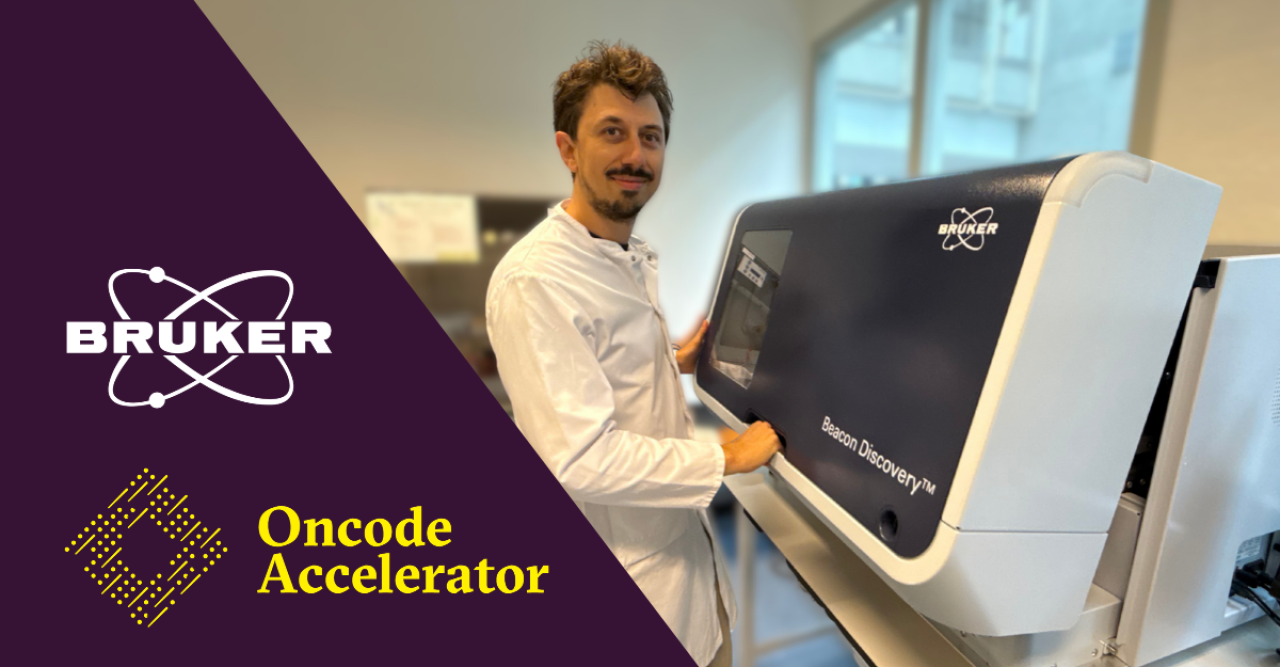
Powering Breakthroughs With Multimodal, Functional Live Single Cell Analysis with the Beacon® optofluidic system
Over the past decade, single-cell technologies have been widely applied in various research areas including Immunology and Oncology. Despite the evolving innovations and breakthroughs in single-cell genomics and proteomics, challenges persist in comprehensively deciphering cell functions, especially in the context of live single-cells.
The Beacon® Optofluidic technology empowers researchers to investigate live single-cell functions, including but not limited to secretions, surface expressions, cell-cell interactions and more.
In partnership with the Bruker Spatial Biology, we invite you to join this webinar where we will elaborate on the underlying principles of the technology and illustrate how the scientific community leverages them to profile immune cells or develop novel biological therapeutics.
You will first get a technology overview from Thomas Adejumo, Technical Sales Manager, where he will showcase the main applications of the Beacon® Optofluidic technology including:
In the 2nd part of the webinar, hear Dr. Mitchell Evers talk about 'Advancing Antibody Discovery Through Cell-Based Immunization and Beacon Technology' and learn how the Utrecht Monoclonal Antibody Facility (UMAB) has developed a unique cell-based immunization method that harnesses immune-mediated clearance of tumor cells to obtain unique monoclonal antibodies. This approach enables the generation of diverse antibody repertoires and has achieved high antibody titers against targets that have proven challenging for conventional immunization methods.
By combining this innovative immunization strategy with Beacon technology, we aim to unlock the full potential of these immune repertoires, enabling the identification of rare antibody clones. Furthermore, through this approach, we can facilitate the selection of antibodies tailored to specific mechanisms of action, aligning antibody discovery more closely with the intended functional application.