

Oncode Accelerator Pulse - Spring 2025
Reshaping the Future of Oncology
The Oncode Accelerator program is unquestionably diverse. Together, we are driven by one common and overarching goal: to collaboratively optimize and accelerate the development of new cancer therapies for the benefit of patients of all ages.
Editorial: Building a Diverse Community to Outsmart Cancer and Impact Lives
The Oncode Accelerator program is unquestionably diverse. With over 35 partners actively working to accelerate 4 drug development workflows – our Workstreams – by implementing models and methods from our innovation Platforms we are a community that encompasses many people with different expertise. This large and diverse group is driven by one common and overarching goal: to collaboratively optimize and accelerate the development of new cancer therapies for the benefit of patients of all ages.
In this collection, you can get to know some of the researchers behind our program, for example through a video introducing you to our Biologics Workstream. You will also meet some of the organizations that we work closely together with, through a dual interview with Tony Hickson, Chief Business Officer for Cancer Research Horizons UK, and Jan Paul Medema, Scientific Director of Oncode Institute.
Our large and diverse community encompasses people with not only a wide range of expertise, but also many different motivations for committing to cancer research and development. In the editorial of the last Oncode Accelerator Collection in September 2024, we acknowledged that personal motivations are key to propel us forward in our ambitious and collaborative efforts to positively impact the lives of cancer patients. In this edition, we asked members of our program to share the motivation behind their tireless efforts to outsmart cancer and impact lives. This is what they had to say.
I’ve lost four family members to different cancers. Some of these family members were older, and some were very young. Some of them benefited from therapies that increased their quality of life, and some did not – there wasn’t always a suitable or effective therapy available for them. To me, this clearly shows the societal need to accelerate the development of a range of different cancer therapies for patients of all ages. I hope that future patients will benefit from therapies developed with our program.
These motivations are a red line through this collection. For example, one key motivation shared across our community is our commitment to positively impacting the lives of patients. The early-stage, ‘preclinical’ research on which Oncode Accelerator focuses can sometimes seem far removed from impacting patients – but as patient advocate Katell Maguet explains in this issue, there is a close connection between fundamental research and the patient. She says: “It seems disconnected, but it’s not.”
This interconnection between impact for patients and preclinical research also becomes clear in an article about the introduction of whole genome sequencing for every admitted child at the Princess Máxima Center for pediatric oncology before the start of their treatment. Use of whole genome sequencing can help physicians make faster and more accurate diagnoses, determine the child’s risk level, and choose the best treatment based on their specific genetic alteration. At the same time, this data can help researchers to identify DNA variations underlying the initiation and growth of tumors, to ultimately develop new therapies for children with cancer.
You will also notice our focus on collaboration reappearing throughout this collection. We believe that only by bringing together the best and brightest minds in oncology research, can we eventually outsmart cancer and impact lives. As highlighted in this issue, we do this in several ways – for instance by physically bringing together key stakeholders at our annual Oncode Accelerator Summit, by working together with leading organizations like Oncode Institute and Cancer Research Horizons to leverage our complementary strengths, and by supporting excellent scientific research that is published in high-impact journals for others to read and learn from.
I am motivated by the development of more affordable cancer treatments to reduce cancer treatment inequities across the globe. It feels like an often overlooked aspect of our currently heavily locally-focused cancer research, but an important final goal to keep in mind for guiding our research.
As Tony Hickson of Cancer Research Horizons explains, “Bringing clinical innovations to life is a huge challenge, but collaboration helps. By sharing risks and pooling resources, we can achieve more for patients and society.” The importance of collaboration is also reflected in our mission: to collaboratively optimize and accelerate the development of new cancer therapies for the benefit of patients of all ages.
We invite drug developers from academia and industry, and from across the globe, to join us in our mission by applying for Demonstrator Projects. Our current call is open until September 2025, allowing interested parties to apply to access co-funding alongside our unique cancer research ecosystem, comprising state-of-the-art equipment, top scientists from academia and industry, and a dedicated project management team to support the process from start to finish.
It is the potential for lasting impact that motivates me every day, knowing that our work has the power to reshape the future of oncology.
As of May 2025, we have already received over 60 applications for Demonstrator Projects from public and private organizations across the globe. In addition, the first two Demonstrator Projects were launched in April 2025. By validating our approach by running these preclinical discovery and development projects within our innovative oncology ecosystem, we can have a lasting impact for both patients and the Dutch economy. This moves us steadily towards our vision for a world where cancer patients can access personalized treatments developed by innovative and integrated R&D ecosystems.
Read the Collection
-
Whole Genome Sequencing for Every Child in the Princess Máxima Center
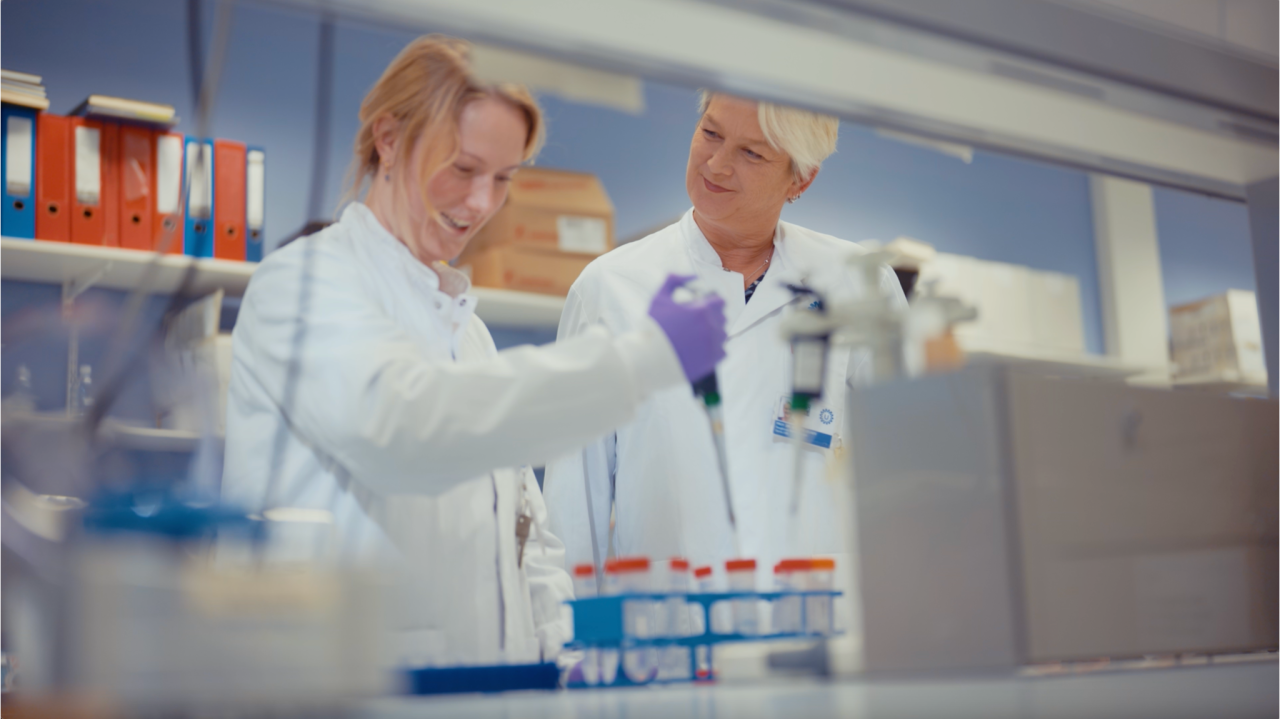
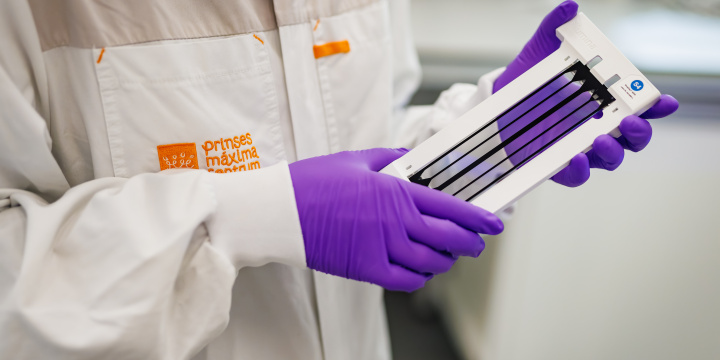
Starting May 2025, the Princess Máxima Center for pediatric oncology will screen the complete DNA of every newly admitted child before the start of their treatment. Whole genome sequencing will identify DNA variations that could underlie the initiation and growth of tumors. Through Oncode Accelerator Demonstrator Projects, researchers can use these insights from patients’ tumor DNA and organoids to develop new therapies to advance precision medicine for children with cancer. -
Meet the Biologics Workstream
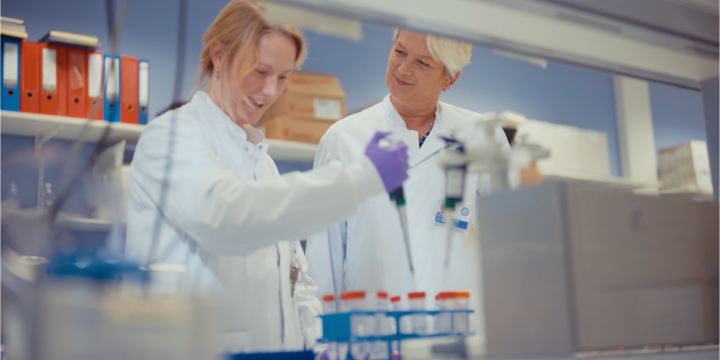
Our Biologics Workstream is led by two experts with rich backgrounds in therapeutic antibody discovery and development: Professor Jeanette Leusen and Dr. Debby Vermeer - Kruijsen. Watch this video to get to know Jeanette Leusen and Debby Vermeer - Kruijsen, delve into the world of Biologics, learn how the Biologics Workstream is innovating cancer therapy, and explore how you can work with them. -
Bridging the Gap Between Patients and Early-Stage Research
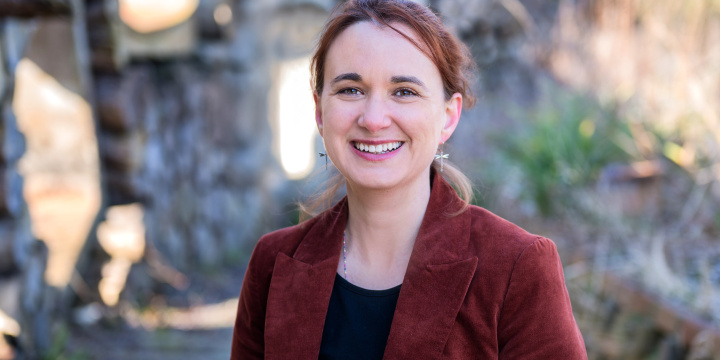
At Oncode Accelerator, we aim to outsmart cancer and impact lives. But before life-changing therapies get to patients, extensive early-stage, ‘preclinical’ research must be done to make sure those medicines are safe and effective. Preclinical research can sometimes seem far removed from the patients that it should eventually benefit. We spoke with Patient Advocate Katell Maguet to understand a patient perspective on why - and how - we should bridge the gap between patients and early-stage research.
-
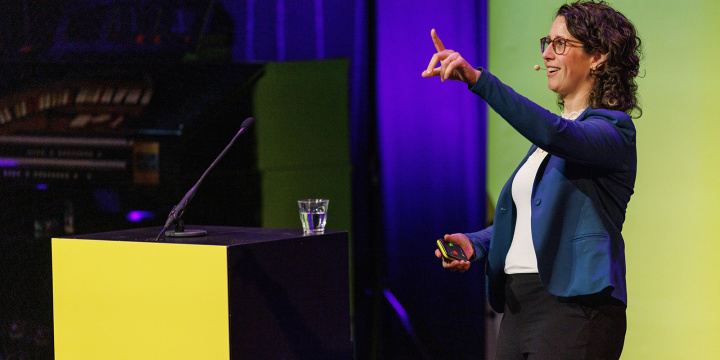
Highlights of the First Oncode Accelerator Summit
For the first time since the official start of the Oncode Accelerator program in September 2023, cancer researchers, drug developers, investors, patient advocates, and representatives from additional stakeholders gathered in Amsterdam to discuss how to collectively accelerate the development of new cancer therapies. -
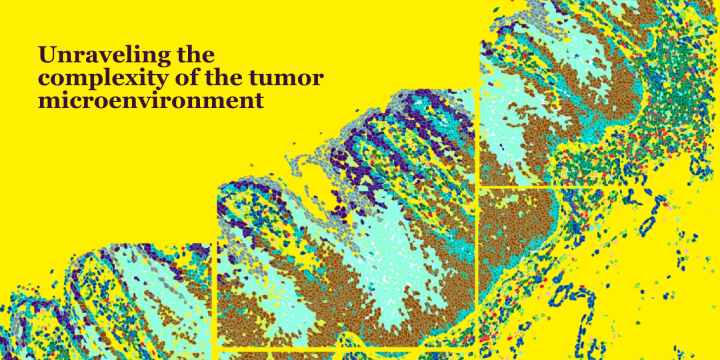
New Study Lays Groundwork to Improve Success of Cancer Vaccines
Therapeutic vaccines are promising and innovative approach to cancer therapy. To improve and accelerate their development, experts agree that it is necessary to better understand tumor microenvironments – the neighborhoods around tumors that can either help or hinder tumor growth and spread. A new study supported by Oncode Accelerator identified features of the tumor microenvironment associated with cancer vaccine success, paving the way for improved therapies for future patients. -
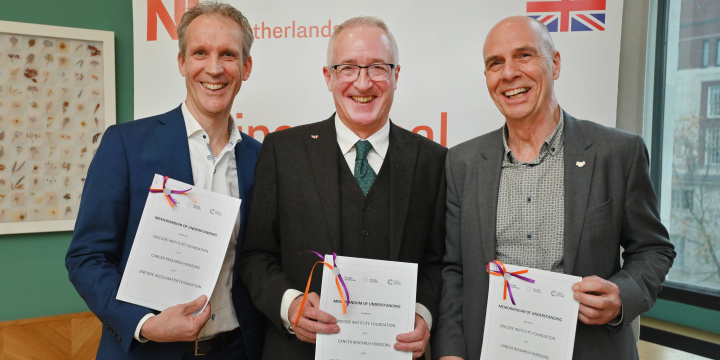
One Mission, Three Forces: Advancing Oncology Through Collaboration
In oncology, progress is faster and more effective when we work together. National and international partnerships, between public and private parties, are essential for translating fundamental scientific discoveries into clinical practice. In this interview, Tony Hickson, Chief business officer for Cancer Research Horizons, and Jan Paul Medema, Scientific Director of Oncode Institute, discuss the key ingredients for success, the potential impact of their partnership together with Oncode Accelerator, and the challenges the biotech sector faces in the current day.
-
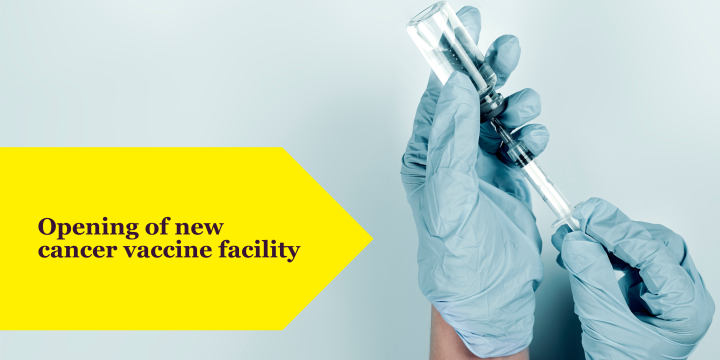
Cancer vaccine facility opens at the Princess Máxima Center for pediatric oncology
Researchers in the Princess Máxima Center for pediatric oncology can now look for starting points for the development of new cancer vaccines. With the opening of the lead finding facility there, an important milestone within national partnership Oncode Accelerator has been reached. -
OncoZON joins R(H)ONDA initiative for automated data flow with the Dutch Cancer Registry
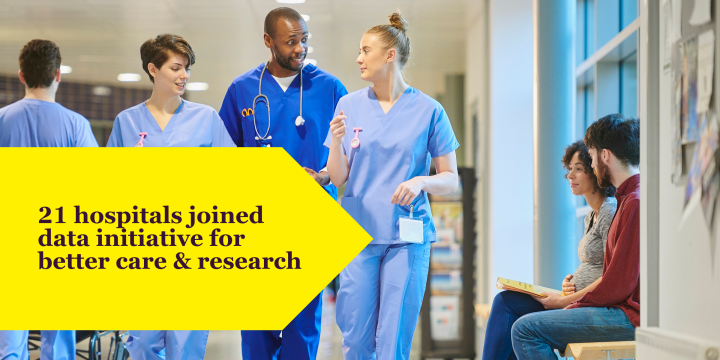
R(H)ONDA is an initiative by IKNL and Performation, who are partners within the Oncode Accelerator Patient Cohorts Innovation Platform. With the connection of OncoZON, 21 hospitals are now participating in this data flow, in which oncological data is automatically collected from electronic health records and processed faster.
Subscribe to Stay Connected
Did you enjoy this edition of Oncode Accelerator Pulse? Subscribe to our newsletter for more stories like this.