

Oncode Accelerator Pulse - Autumn 2025
From Innovation to Impact
In this edition, explore how we are moving from innovation to impact: actively accelerating the development of new cancer therapies.
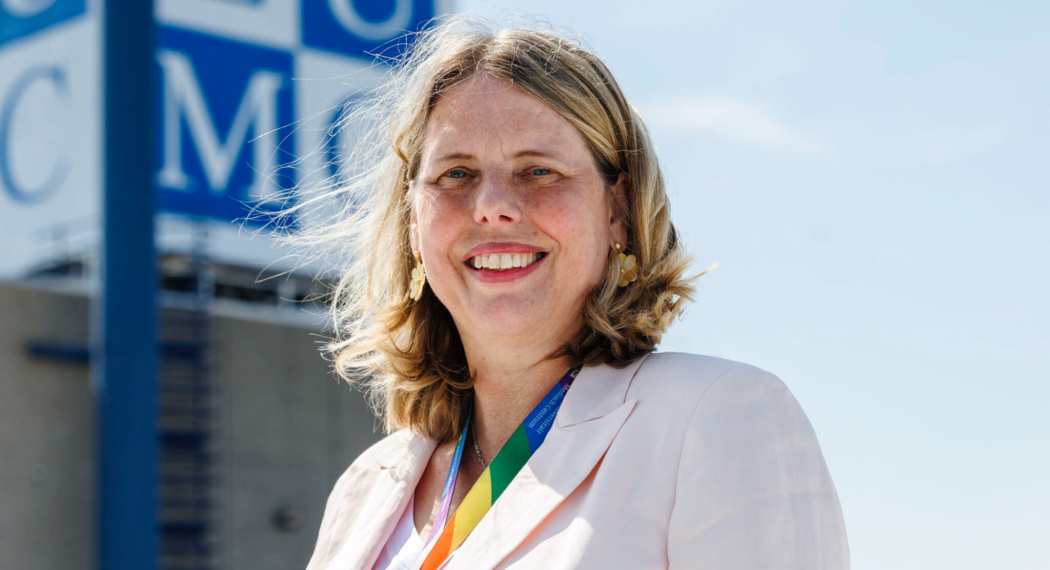
Editorial: Marlies Reinders Shares Her Vision
As a nephrologist and transplant immunology researcher, many of the transplant recipients that Marlies Reinders saw had an enhanced chance of developing cancer. Now, as Dean and Board Member of the Leiden University Medical Center (LUMC) – one of Oncode Accelerator’s coordinating partner institutes – cancer continues to be an important focus area for her. In this editorial, Prof. Dr. Reinders shares her vision for an interconnected cancer ecosystem that can deliver better, more personalized cancer therapies to patients, faster.
When I consider the phrase, From Innovation to Impact – the theme of this edition of the Oncode Accelerator Digital Magazine – I immediately think of patients. After all, it is for our patients that we must innovate the drug discovery and development process.
From the perspective of the LUMC, cancer is one of our ten core research themes, and many of our research groups are actively working within it. Within our role as a coordinating partner of the Oncode Accelerator, we are working with other institutes and companies towards a shared vision: a world where cancer patients can access personalized treatments developed by innovative and integrated R&D ecosystems. This goes for diverse cancer patients of all ages, as underlined in this edition’s Dual Interview and Patient's Perspective features, in which we focus in on pediatric, adolescent, and young adult cancers.
Marlies Reinders, Board Member of the Leiden University Medical Center (LUMC)To be able to deliver better cancer therapies, collaboration will be essential. We will need to work in large knowledge networks that cover the whole discovery and development pipeline.
To be able to deliver better cancer therapies, collaboration will be essential. We will need to work in large knowledge networks that cover the whole discovery and development pipeline. For Oncode Accelerator to be successful, we must collaborate with other knowledge institutes, including universities, universities of applied sciences, and other public and private partners. This ambition does not stop at national boundaries. LUMC and Oncode Accelerator will continue to connect beyond the Netherlands, with institutes, companies, and networks in Europe and beyond to further strengthen our collaborative efforts.
If collaboration is the “who,” infrastructure is the “how.” In its first years of existence, Oncode Accelerator invested heavily in building and extending facilities, platforms, and pipelines that enable researchers to move discoveries forward efficiently. For example, in the Our Innovative Infrastructure feature, Dr. Steffen Brünle, an Assistant Professor at Leiden University working within Oncode Accelerator’s Small Molecules Workstream, explains how a state-of-the-art Glacios cryo-EM microscope recently purchased through Oncode Accelerator is now helping scientists to fast-track their cancer research.
Marlies Reinders, Board Member of the Leiden University Medical Center (LUMC)The first, high-potential Demonstrator Projects are now underway – and more are soon to come.
Now that Oncode Accelerator has laid the necessary groundwork and begun bridging gaps between key players in oncology, the next step is to start discovering and developing new cancer drugs. This means executing Demonstrator Projects: preclinical drug discovery projects that will both validate the newly implemented infrastructure and bring new therapies closer to patients. As Mark Krul explains in this edition of the digital magazine, the first, high-potential Demonstrator Projects are now underway – and more are soon to come.
In summary, my vision of success for Oncode Accelerator has multiple components. Firstly, success will mean developing new therapies and bringing them to patients. But our impact should not only be measured in new drugs. A stronger network spanning the full oncology pipeline, more young scientists inspired and supported in their careers in cancer research, and a research ecosystem that is deeply connected to society are also essential outcomes.
To deliver on our promise, we will need to continue to keep the patient central, connect with society, and bring everybody along with us for a bright future in oncology research. We owe this to our patients.
Read the Collection
-
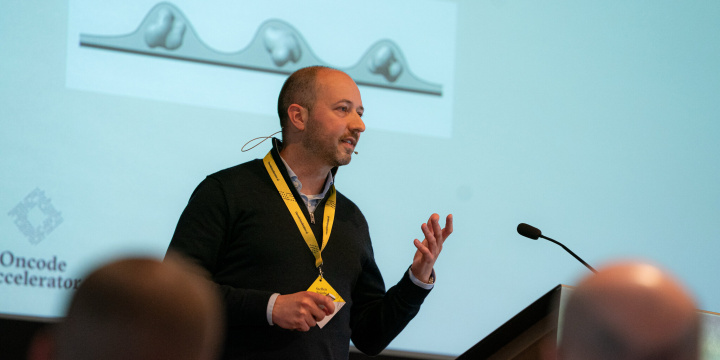
Accelerating Cancer Research: How A Top Tech Microscope Can Fast-Track Drug Design
To accelerate cancer research, the Oncode Accelerator program recently invested in a state-of-the-art Glacios cryo-EM microscope. Dr. Steffen Brünle, Assistant Professor at Leiden University, explains how this technology is helping scientists to fast-track their cancer research. -

Patient Perspective: Diversity, Equity and Action
Carmen Monge-Montero is a global cancer advocate, researcher, storyteller, and cancer survivor from Costa Rica who has lived in eight different countries over the past twelve years. At just 24, she was diagnosed with Hodgkin lymphoma – an experience that reshaped her worldview and led her to explore life across continents. Her unique perspective as a migrant and cancer survivor now fuels her advocacy for equity, diversity, and inclusion in cancer care. -

Bridging the Gap From Biochemistry to Patients
Joel Rüegger and colleagues developed CellEKT: a platform that allows researchers to study how drugs behave in living systems, offering scientists a better tool for testing drug selectivity and potential side effects. Their overarching goal is clear: to help drug developers select the most promising drug candidates early on, to deliver safer and more effective therapies to patients, faster.
-
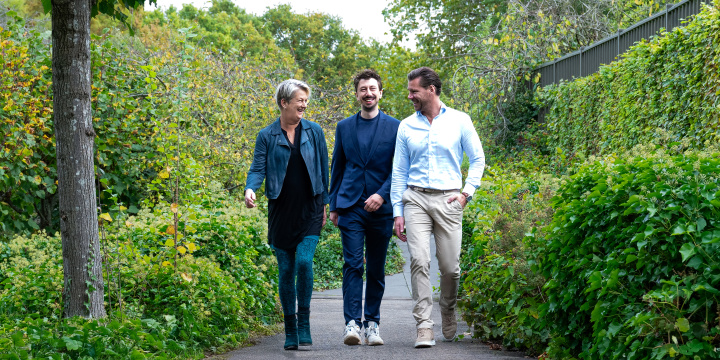
Launching a New Therapy for Childhood Cancer: A Look Behind the Scenes
Developing a new cancer therapy is a complex undertaking. To bring a novel drug to the clinic, top-notch research is essential – but is not enough on its own. Developing and launching a new therapy also requires sufficient funding, an entrepreneurial mindset, and perseverance. In this article, we dive into a story that is still unfolding, with research that began in academia and is now under development towards becoming a new treatment for neuroblastoma, a childhood cancer. -
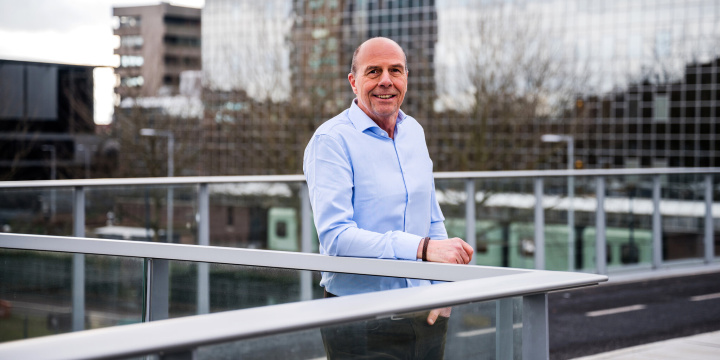
Ideas Spread like Ink Spots: Mark Krul on Innovating Cancer Drug Development
“I’ve been involved in oncology for almost my entire adult life,” says Mark Krul, Chief Scientific Officer of Oncode Accelerator Foundation. “And I’ve seen so much promising oncology research – but too often it is not translated to patients. I find that unethical.” This strongly held conviction has guided Mark’s career. -
Oncode Accelerator Enters Phase 2
The Dutch National Growth Fund has issued a positive recommendation for a second funding round of €123 million for the Oncode Accelerator program, which was confirmed by the Dutch Cabinet today. This recognition confirms confidence in the program’s approach and impact, which focuses on accelerating and innovating the development of new cancer therapies.
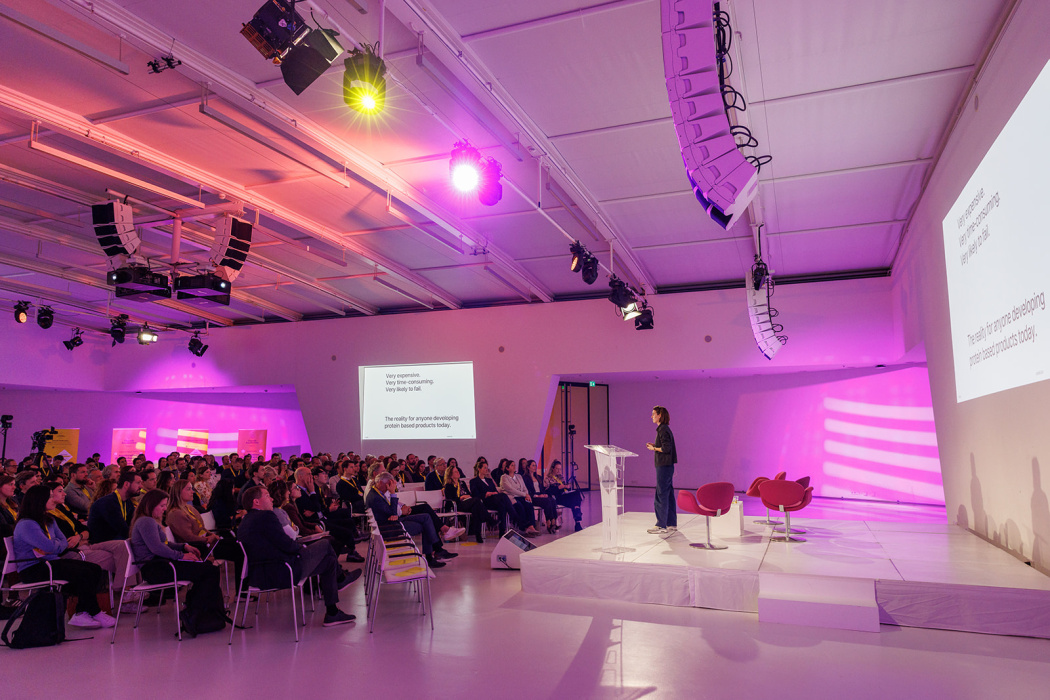
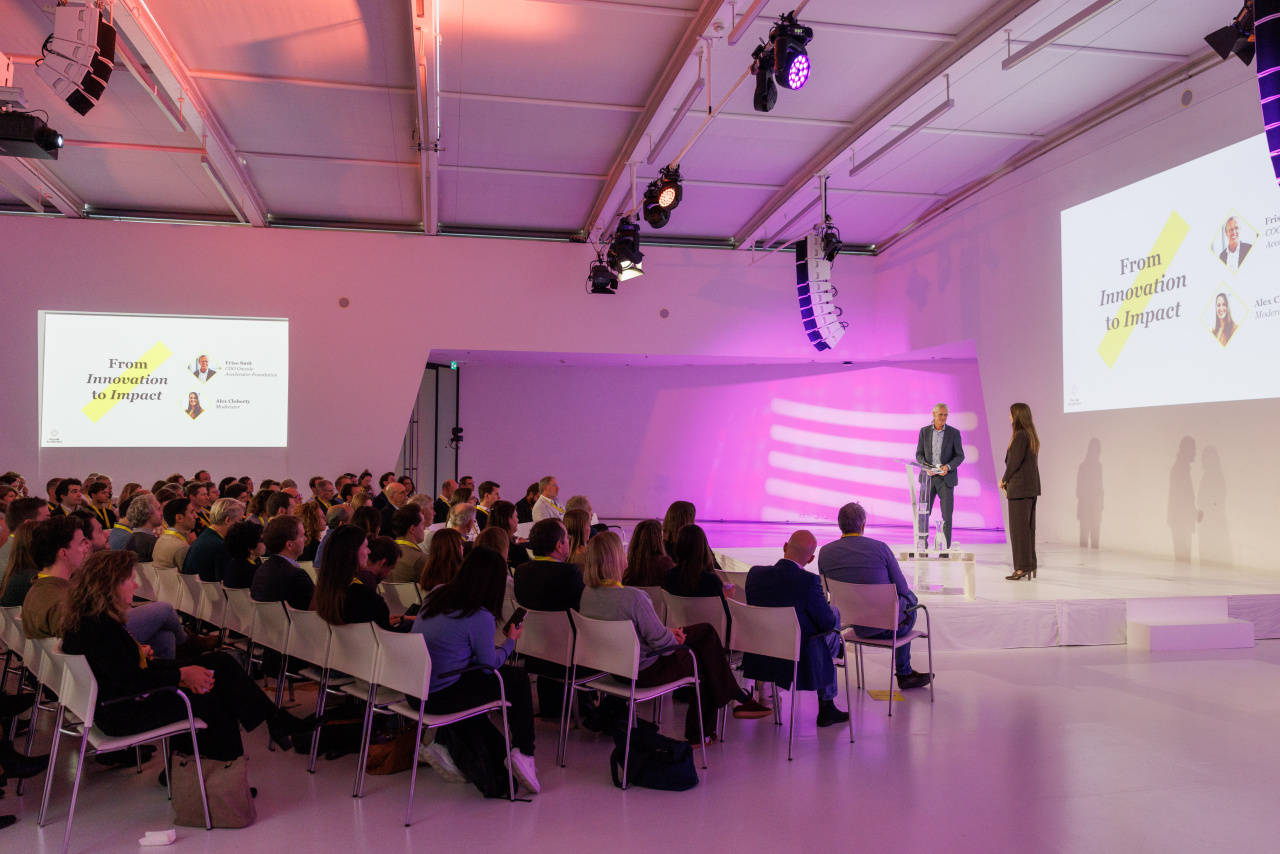
From Innovation to Impact: Highlights from the 2025 Oncode Accelerator Summit
How do you turn cutting-edge science into therapies that change patients’ lives? That question was at the heart of the second Oncode Accelerator Summit, where over 300 researchers, entrepreneurs, clinicians, patient advocates and industry leaders gathered for an afternoon devoted to one theme: From Innovation to Impact.
Subscribe to Stay Connected
Did you enjoy this edition of Oncode Accelerator Pulse? Subscribe to our newsletter for more stories like this.